
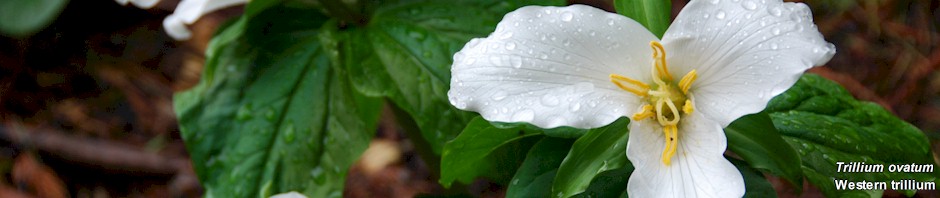

We decided to finally try out the Native Americans’ favored food, Camas. This was a a highly valued food that was widely traded and given as gifts by Chiefs. They cultivated large areas using controlled burns and limiting the number of bulbs taken at any site. It was dug up around flowering time due to the fear of Death Camas, which looks different but the bulbs look similar. We don’t have any of that! We have white camas but it’s a Camassia. The bulbs were eaten after being slow cooked in steam pits for two days, and either eaten right away or sun dried and stored. We’ve had a bunch of it for years now, maybe ten years, and some is growing into the walkways in a couple of places, so it seemed the right time.
They are difficult to dig up, and require a deep tool like a post hole shovel. That’s why the moles can’t hurt them. So far the voles have not partaken either, though they like the bordiaea well enough! If the moles can’t expose their bulbs, the voles can’t get there!They are about 7 or more inches deep in hard soil and mulch. The native Americans preferred to cultivate these (yes, they sowed seeds and engaged in agriculture) on soil just above rocks like on outcroppings, because they were easier to dig up.
They dug steam pits and cooked them slowly for two days with fern leaves, heated rocks and water. The cooking bulbs were watched round the clock for that time and hot rocks and water were added as needed….what did they use for a thermometer?! It was a seasonal job – for women, of course. But if the cooking was cut short or insufficient, the results pull be significant gut indigestion! They contain inulin, which is a polymer of fructose which requires slow cooking over time to break down. Inulin is indigestible by humans, so it needs to be low-temperature cooked over prolonged period. This gives the cooked bulbs a progressively more brown color, and the fructose then gives it a mildly sweet, “carmelized” flavor. It peels like an onion but is firmer than an onion after cooking. Their scent is likened to baked pears (true), and their flavor and consistency like potatoes (also true). The native Americans knew better!
We prepared them two different times. First, by digging them up , cleaning them, slicing off roots and stems, and putting them into a small collapsible metal steamer which was then put into a crock pot. Water added to just below the steamer level, set low, and forget for two days. They turn progressively BROWN, as the inulin is broken down. Then slicing them crosswise and sautéing them in olive oil or butter till golden, and lightly salted. Yum. I will warn whomever that eating them earlier has consequences. I felt a little yucky in the gut the next day after eating them earlier, at 20 hours of cooking. After waiting a day and then eating them at 40 hours of cooking I had no ill effects at all.


 ellensgarden.us