Crittercam delivers

First wild critter to be caught on cam….infrared camera which is motion activated. Would like to get it to trigger a little earlier, so angled it more southfacing slightly. Had to change the camera position several times to a) keep from filming all the squirrels and b) keep from filming all the trucks that drive by. Coyotes here overnight (~4:30 am) for drinks at the pond, maybe a vole or mole? Probably also to stalk outdoor cats, though they’ve been pretty effective at keeping those out….no cat sightings for many moons now, thanks to them. Lots of “cat missing” signs for a while, they’re not missing, we know exactly where they went.

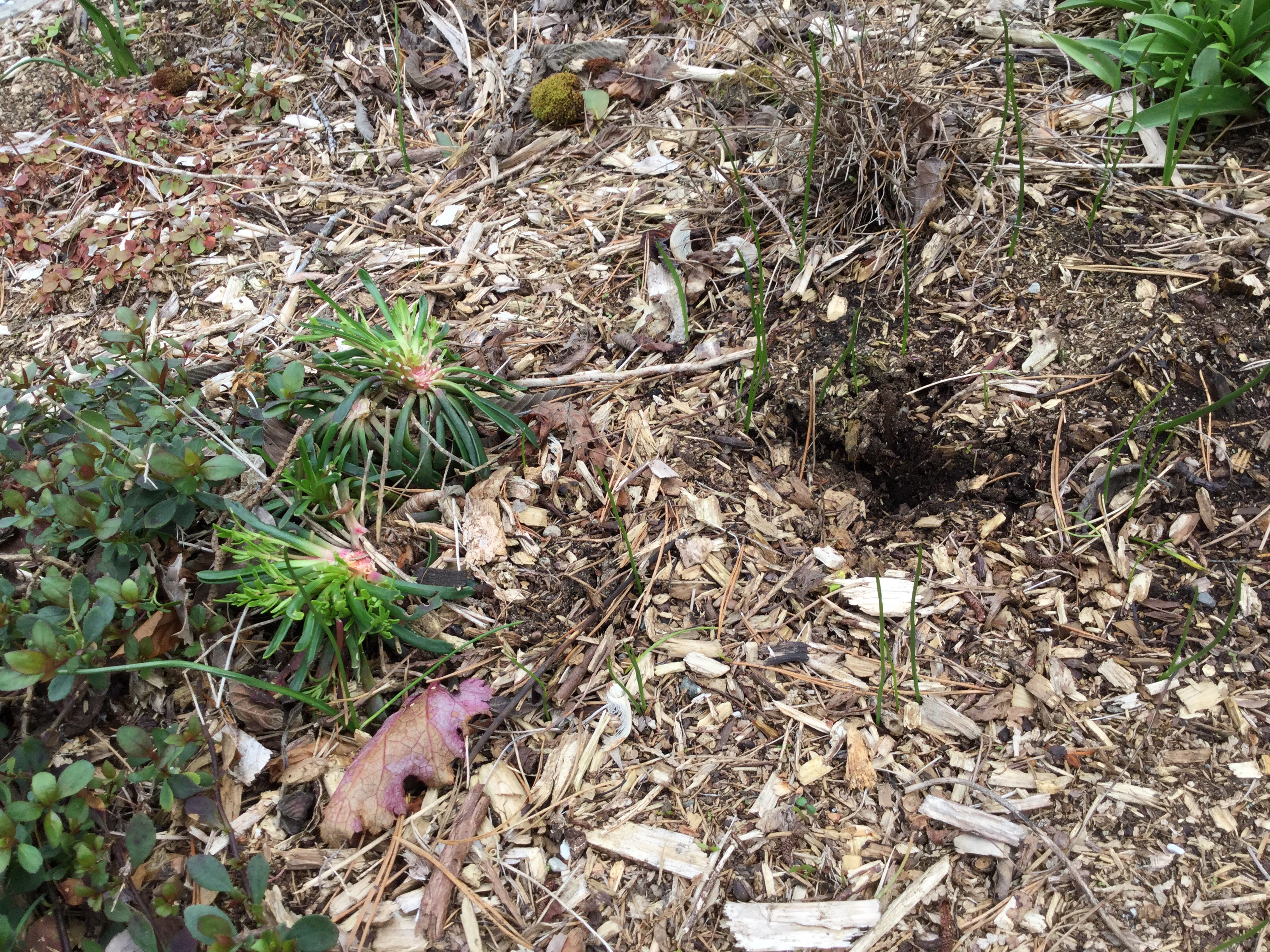
Also, a few bulbs coming up: mostly more Brodiaea, but also the Camas Cuseckii, or light blue Camas. I hope it recovers from whatever was making it fail in its former spot, and blessses us with blooms soon. Also hopefully deer won’t eat it. Few Trillium Chloropetalum coming up, including the deep maroon one (Kirabayashi).

January 2018 New Year’s greetings

Warning! This is a long post!

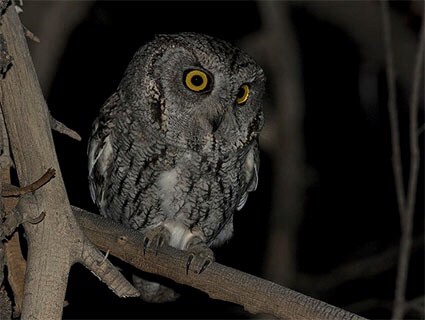
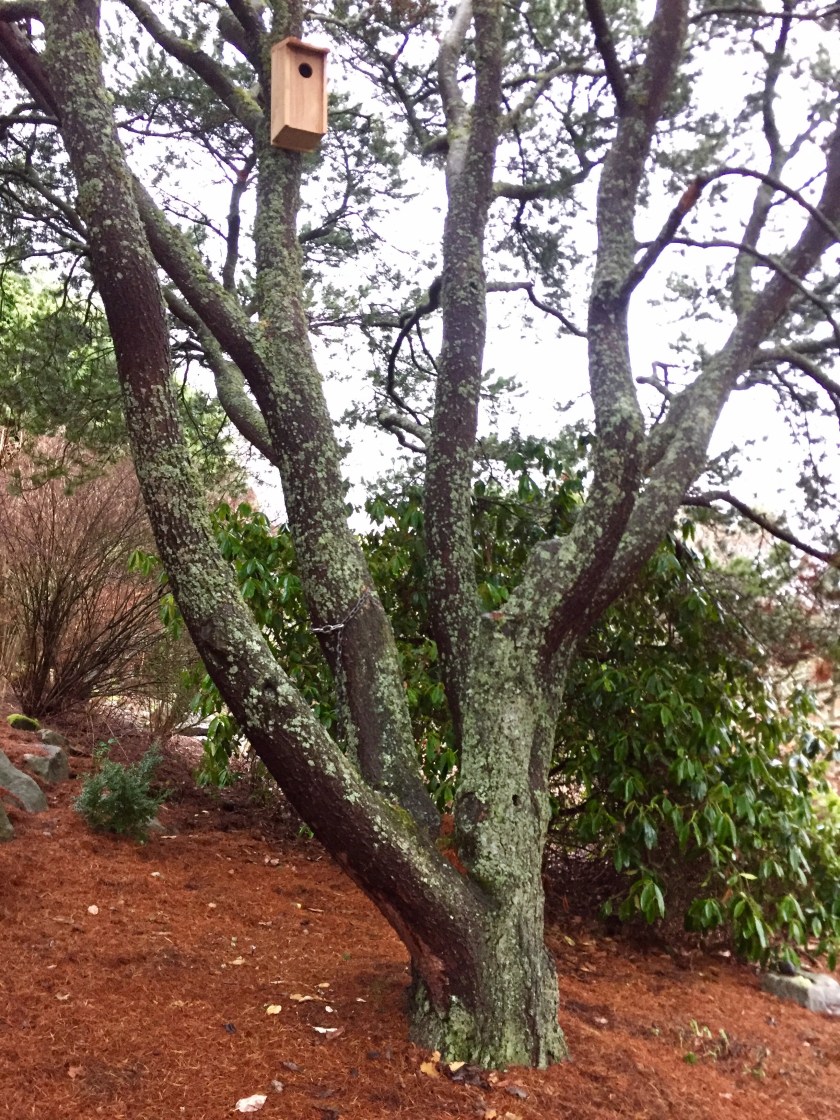
For our New Years entertainment, a screech owl box, which Dave put up in the pine trees in the back yard. About 12-14 feet up, with a view towards the north/ northwest, it is about 20″ tall and about 8″ deep and 11″ wide with a 3″ hole in the front, thick wood with sloped overhanging roof. It came with a bag of wood shavings. We also got a barred owl box which is really cool, but too big for our yard. Not to mention that would mean that two owls would have to find our boxes and then get along. Barred owls might even eat screech owls, I’ll have to look it up. Western Screech Owl, hopefully eventually I can get my own picture to post someday:

Pic of the Sceech Owl box we mounted in the backyard, on one of the bigger pines:

Continue reading “January 2018 New Year’s greetings”

Coming up Camas

About November 20th I noticed the re-planted my patch of Camassia Cusick popping up in a couple of different places. I replanted it because it was not doing well where it was…….it hadn’t flowered in a few years and this year even the leaves looked weaker and started to turn brown and spotted after coming up. It’s actually right next t some common Camas, which has always done great. I just cut it to the ground and covered it with mulch, in case there was an infection. When I dug the bulbs back up this fall, they looked fine, once I’d washed the slimy bulb cover off, so I planted them around. Fingers crossed. I haven’t seen the Howells camas that I also replanted in the yard. That patch wasn’t diseased looking but the flowers and finally the leaves looked anemic, and it also stopped flowering. Those bulbs looked just fine, if maybe a little smaller than the Camassia Quamash (common camas), but they seemed to have been stopped from growing deeper like they should have….maybe the soil was too firm, or not good? Anyway, those were super easy to take out, as opposed to the other camas that takes quite a dig, and they came right out. They looked like the bulbs were trying to grow sideways, that’s why I think the soil was a problem. Maybe there’s some big ole rock underneath that I haven’t seen yet. I planted bulbs from each site both in the front and the back. I’ve covered the new Cuseckii shoots because we now have…….

Deer! The little shits are actually coming around during the day. I found two together in our yard last week – a big stag and a doe, around 11 am. They ran into the next doors yard, and let me watch them from the street for a while. Then they wandered back into my yard, as if I didn’t see them. I went back and watched them for a while, got bored with them and then charged them to make them run (fast- into the north neighbors yard) which was fun to see. I don’t get to see stags take off like lightning. They don’t eat many of our plants, although they do nibble on new camas leaves in the spring, so I covered some of the newest shoots with a glass cloche, just in case. And they eat the flower buds of Brodiea and one of the Heucheras. They also trample a lot in certain places, especially part of our backyard sunny meadow. I arranged 8 tomato cage ‘towers’ stuck in a circle around the area to keep them out and force them to find a new path, so some of the seeds can establish and the herbaceous plants won’t be trashed when they try to come up. They don’t seem to like using stone steps or gravel paths – they trod on the soft wet mud instead.

Well, I did get something to try and discourage them, but not sure it will work. They sell coyote pee and wolf pee, in crystals and liquid. We got the wolf pee crystals, but not sure the animals even know what a wolf is or what it smells like – we don’t have wolves! It got better “ratings.”in general than the coyote pee on their website, but then, those were probably folks who lived near wolves. Arguably, it should have crossed our minds that there are no wolves within hundreds of miles of here. And that’s how powerful marketing is.

New Plants from plant sale

Penstemon Newberry (2) for front yard, and a new glaucous Penstemon also for the front….the old one died off in Mole Hill in the back, so I won’t be putting any new plants there for a while.

Moles and Vols: Mole Hill, by the way, is the epicenter of what became of an early backyard project, the “ecolawn”.  Don’t do it, don’t let anyone talk you into that nonsense. It’s a weed trap, and you end up wanting to get rid of it which is then challenging.  Ours spanned the short axis of the backyard, and was a crescent shaped space. We killed it by covering the whole thing with black plastic weighted down with logs and rocks all summer. It killed everything and all the roots, “D-E-D dead”. And then we planted some perennials and ground covers, shrubs and bulbs. The moles were quite happy with the lack of plant roots to restrict them, and they were kind of relentless, constantly upheaving throughout recent plantings. To the point that I moved a bunch of them out from the worst area and just stuck rocks in an arc to define Mole Hill. I even wanted to get a plant sign that said”Mole Hill”. Gradually, seeds and adjacent encroachment covered it without more mole trauma. They’re less of a nuisance now, except that their tunnels provide habitat for voles, which now ravage the plants there.  But the voles do some digging themselves.  Almost all of the Harvest Brodiaea bulb “clumps” have been eaten. I’ve found holes in the ground where a couple of established plants were supposed to be, a big Fawn lily and an anemone plant, and they’ve now eaten DOZENS of Brodiaea plants. So I’m avoiding any new or valuable plants there for a while, too. Thus the front yard garden establishment and rock garden.

Not my photo, but the NW native is newberri, the California native is Sonomensis, which has red flowers instead of pink:

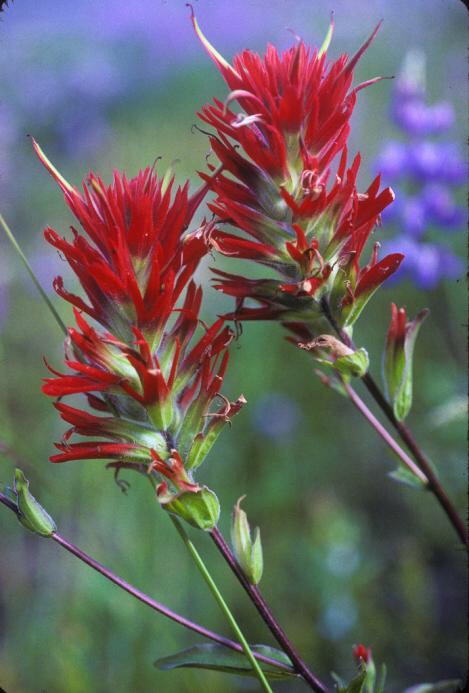
Two Castilleja Miniata, or red Indian paintbrush, for the front yard/ rock garden, those would be our first if they survived…prior seedlings from Shi-Shi beach seeds made it (3) but didn’t survive their outplanting. Also not my photo, since we don’t have one:.
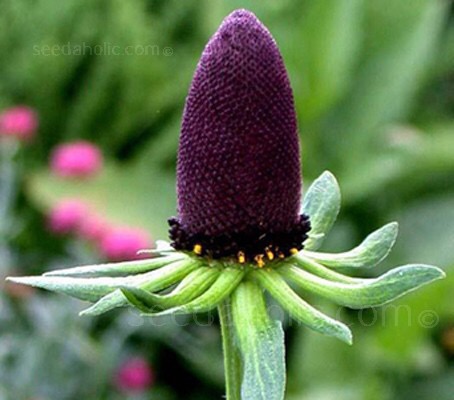
Another try at Purple Coneflower / Rudbeckia Occidentalis, maybe I can find a better spot, it doesn’t seem to do well with moles:

Ones we already have:

Two new Lewisia Tweedii and one new Lewisia Cotyledon for the front rock garden. One new Boykinia for some partial shade area in the front, after our hired landscaping projects are done, we have two in the back.

I planted one new Cornus Canadensis/Trailiing Dogwood, or whatever it’s called now, in the front yard shady area, next to a Maidenhair fan, Pig-a-back plant and trillium Chloropetalum seeds- a little shade plant medley.  There are already some fawn lillies, shooting stars, brodiaea, and some background Penstemon there, so that should help round it out, and of course the Starflower, which is now throughout the front yard, more limited in the sunny back. It seems to avoid direct sun, which keeps it from being just everywhere!

One new 1 1/2 foot Vaccinium Membranosum or Black Huckleberry for the back yard deck/patio area (we want to eventually have healthy huckleberries there of several types), maybe where the Garrya bush was taken out last year. That evergreen bush got so big and bushy that it shaded out most everything around it, and they’re now starting to recover. I just cleaned out all the non native sedum and baby’s tears from that area and along the adjacent lower 4-5 steps as well, mulched it and will replant other stuff soon, when the pending landscaping stuff is done.  New plating opportunities! Will be vigilant for non native plant regrowth, whereas when the whole yard was the project, I really couldn’t keep track of it, and the big Garrya plant distracted.

September end news


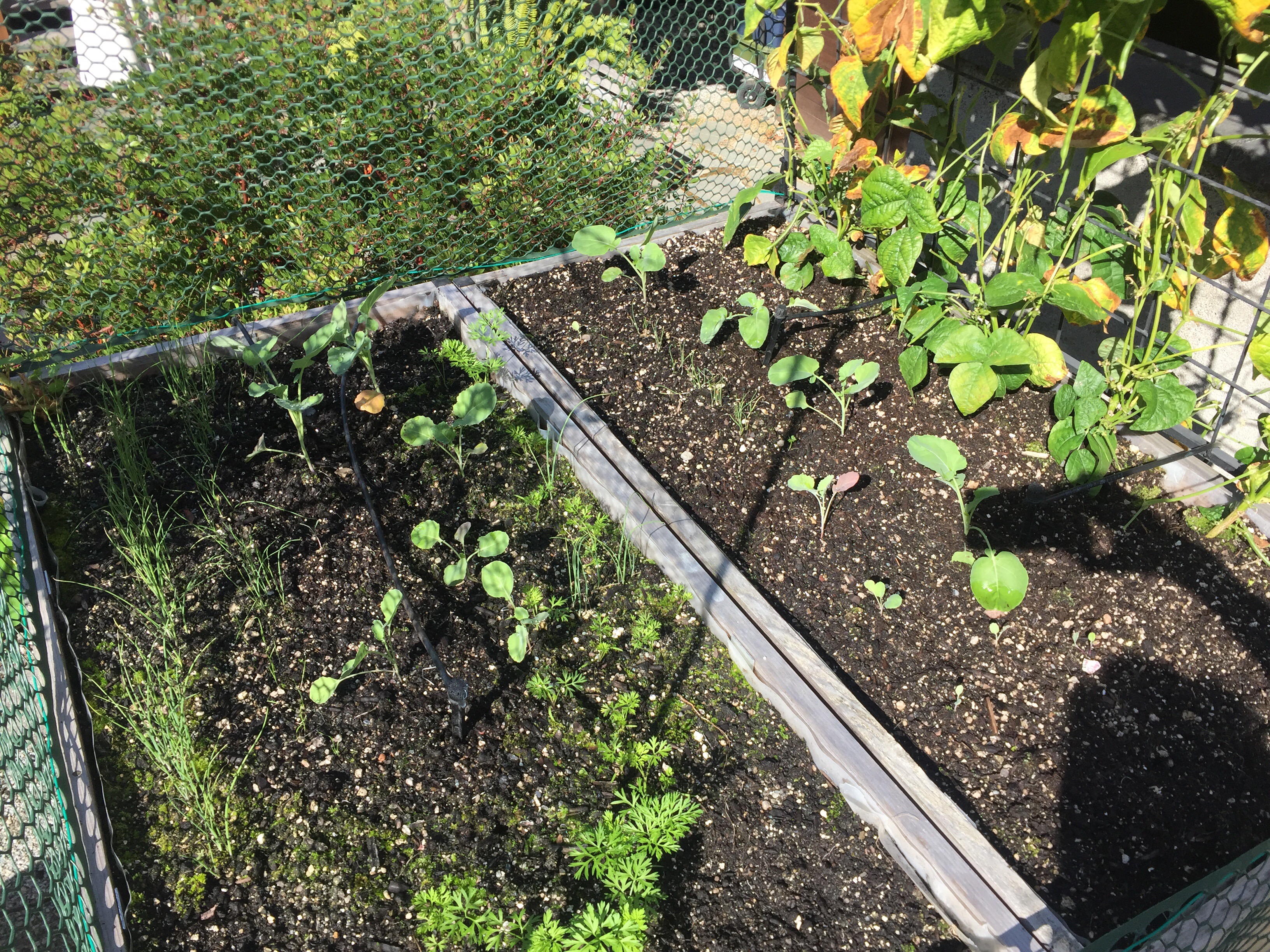
Vegetable garden: About 12 broccoli plants growing. These were sown around the middle/end of August, after other seed sowing attempt failed, I think due to heat.  Also a bunch of onions, and a handful of carrots. The carrots won’t get very far this time of year anyway, but if I encourage the brocoli to grow (and with cloches) we might get some late fall and even into winter, and onions usually have no trouble overwintering – the native ones do well. I have the kind of brocoli that can over winter or grow early in spring, a common type (walsham 29 I believe).

Green pole beans still doing great. We have enough for a large stir fry of Szechuan style beans every few days. It apparently likes fish fertilizer, and seems to flower a lot when it is fed, which is every 3 weeks or so. It also likes being picked, and makes more beans when you keep any seed-producing beans off the vine. So as soon as they look like ‘peas’ are forming they should be picked. They are supposed to be good through September, but they are still going strong and even putting out new foliage as well as flowers. Maybe climate change has alllowed this, it has been a warm summer. Sudden drop in temps from 80’s to the low 60’s recently, but now it’s back into the 70’s and sunny for a while, maybe we’ll have an “Indian” summer.

Tomatoes at their end. I didn’t like most of the Oregon Spring, won’t get that one again. The tomatoes were mostly mealy in texture, and they split very easily which caused more texture problems. Not particularly great taste, though a few were good. The Sweet Casady was good, but it eventually got attakced by what I think are winged aphids, losing many, actually most small branches. There are only a few bugs on the plant at a time but they sure do kill the leaves, and when they attack the stems of flower or fruit those die, too. There was already a lot of fruit on the vine when this happened, as well as new leaves and flowers – the plant had been doing well. The fruit itself was great, but the loss was from suddenly losing the leaves which are the source of their sugar, or the fruit dropping because it’s stem was killed. Such a violent yard I have. I may have caused the problem though,  in that I overwatered the plants thinking they were still too dry (after I accidentally cut off the water for a couple of days), and ended up creating a wetland habitat for those mite-like bugs in the planter itself. I could see them jumping out of the planter when I watered, and it wasn’t till later that I saw them attacking. Lesson learned, hopefully. I still like the idea of the cherry, plum or other small tomatoes, they are less likely to fail in general. 

Still have a bunch of asparagus starts that have lived under the planter all summer, getting watered and a little sun, not planted out! We have no place to put them, unless we make some compromises somewhere. Asparagus needs a minimum 20″ x 20″ planter, or in the ground. 

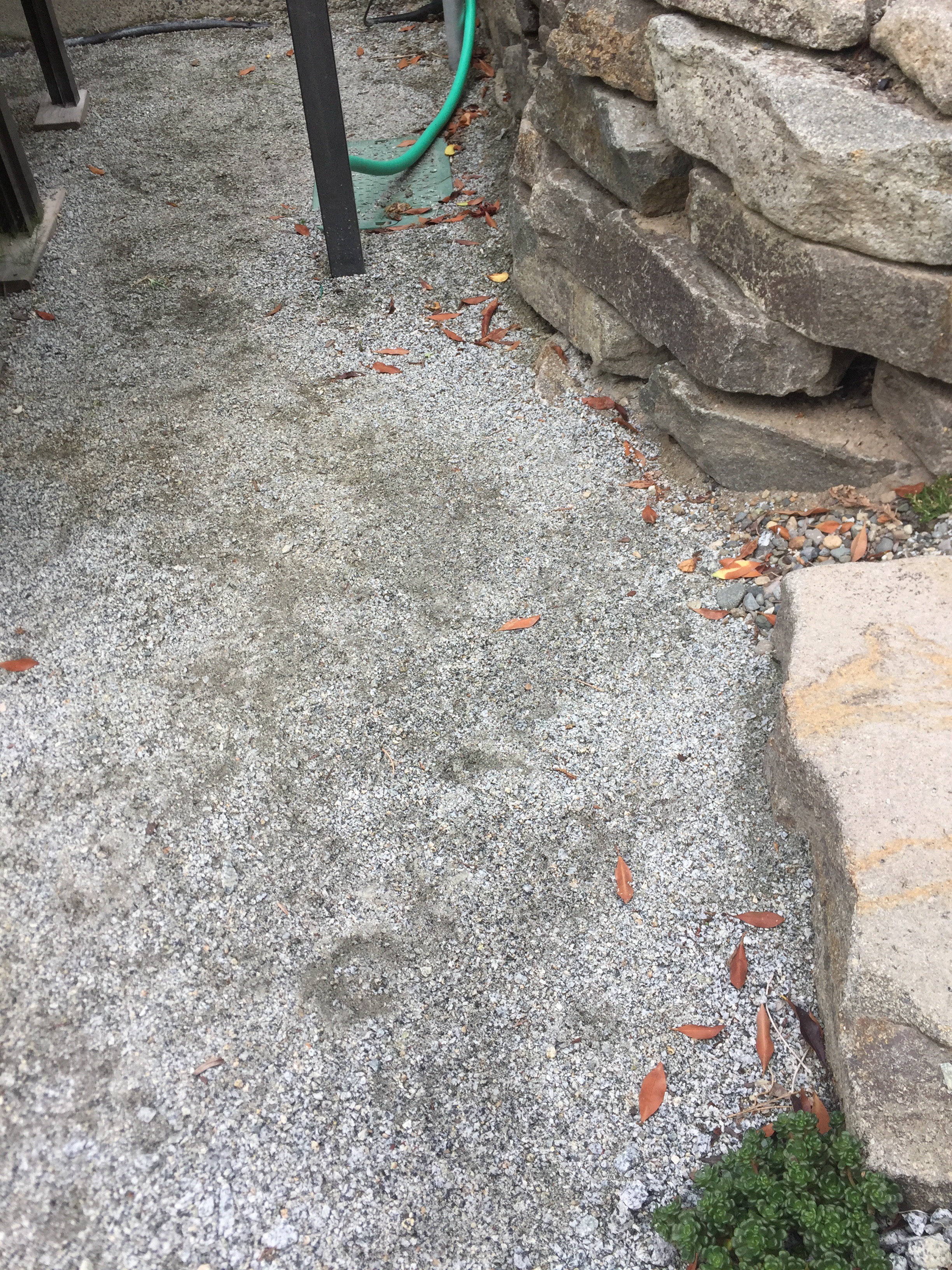
Deer in the hood….in the front yard this time. They don’t appear to have eaten anything there, but did leave hoof prints around. They also sometimes trample stuff. I’m a little worried that they will get more tolerant of some of the native plants as the winter sets in. They have already eaten OLD trillium leaves, now they are nibbling on the False Azalea and Geum leaves, all of these normally die back over winter but we’re still quite green. In spring, they eat the flower buds of one of the heurcheras and the Brodiaea, and nibble some of the Bluebell leaves. The key is going to have to be volume – overwhelm them and the fucking voles so there’s sustainable carnage.

BTW, I spotted a vole coming out of a tunnel he’d created near the new bog, the little shit. I’ve only actually seen the bastards a few times, once as an owl pellet.   He came out, stopped and turned tail back in. Later I noticed that a new type of bog lily we bought for our yard last year was dead – the bulb eaten, at the end of one of his tunnels. Luckily it had already sprouted another offspring overwinter, so there’s still one there, unlsss the little shit comes back and gets it.

Deer tracks:

Vegetable garden, summer edition

Took all the old lettuce out last couple of weeks- since they were spaced pretty closely to begin with and the stalks continued to grow stout while I was harvesting outer leaves, they eventually ended up too crowded to grow new leaves. The stalks also grew tall, but the leaves were short and not as good. The new seedlings just got their second set of leaves. This time no spinach, it just bolted early, and the lettuce is spaced out a little.  

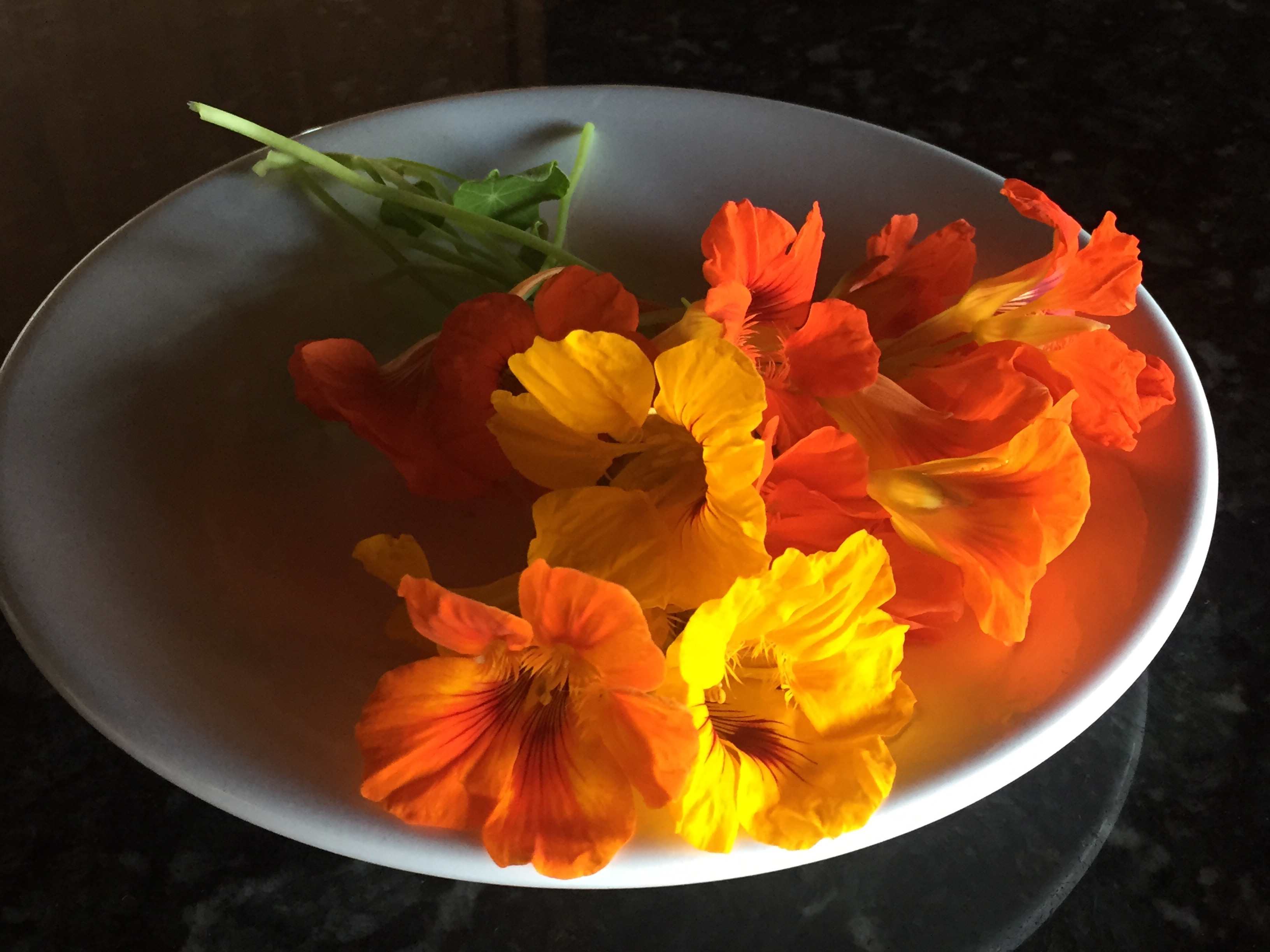
Have been getting great nasturtium flowers for vitamin C, plus great peppery flavor. I had six sites in the planter bed, so I took most of them out before we go out of town for a while, also to let the adjacent carrots and onions get some sun, leaving two plants. They are very floriferous. I always eat a bouquet full of flowers. When I cleaned out the planters, I made a great salad  of all the nasturtium flowers and buds I’d taken out, a fat carrot, two small onions and some olive oil vinaigrette. Yum.

Sowed broccoli seeds
where the nasturtiums were, 4 sites, all along the west side. Broccoli is supposed to be sown in mid summer. Right now in my garden there are two different rows sowings of carrots and two of onions, each type with some ripe or ripening vegetables. The carrots are larger than last year, much fatter. The green onions are new for me, but so far I have been using the thinned out ones and they are very tasty. The 5 green beans plants now have several sets of leaves each, and are about 6″ tall, still not yet sending aerials to the trellis. Also two cucumbers about 3″ tall, a “bush” variety that I’m hopioto train on the trellis, I accidentally bought the wrong variety. 

The tomatoes had an iffy start, what with leaf curl and all, but no spots or brown discoloration. It turns out to be due to overwatering one of them. The wart like spots on the Sweet Cassidy miniature tomato stem looked like some kind of fungus,  but it is due to root initials or starts. They recommended mounding some dirt n them and they will form roots to make the plant stronger, which they did. It finally took off, and is now three feet tall with dozens of flower buds forming, more all the time, and growing quickly. It is an indeterminate plant, so we got three plastic rods to place inside the existing cage and extend it higher for more growth. It took a long time before it showed flowers, which the indeterminate do….they grow first. I gave them flowering fertilizer, but it still took a while. Several hot sunny days helped. The determinant plant, Oregon Spring, started flowering almost right away. 

Deer in the house

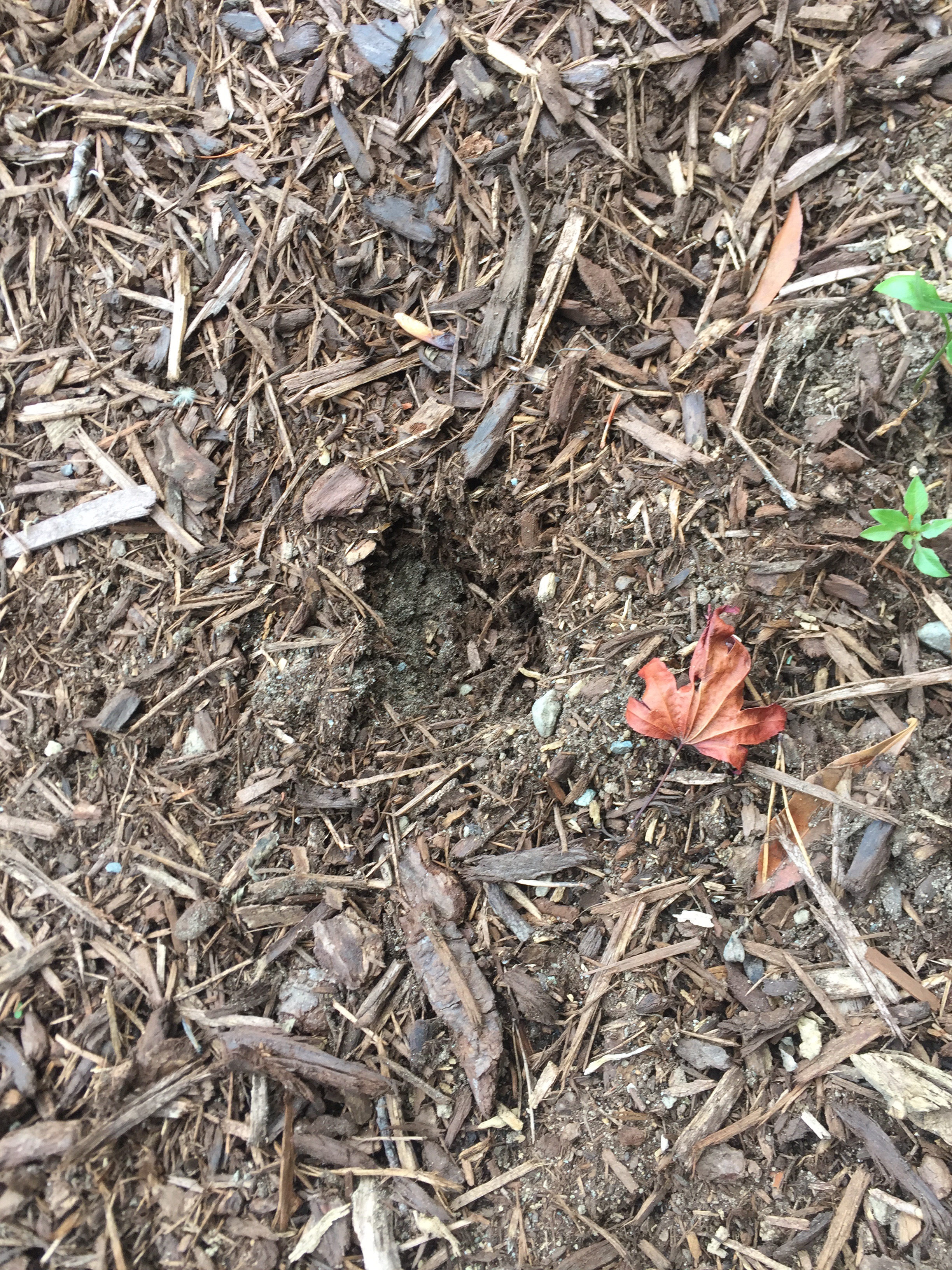
Telltale hoof prints, and gnawed Lewisia Columbiana.  We haven’t had a deer here since we moved in 22 years ago, and now we’ve had them twice in eight months.  The rest of our plants blooming right now are flowers the deer apparently DOESNT like:

Deer hoof print to the right

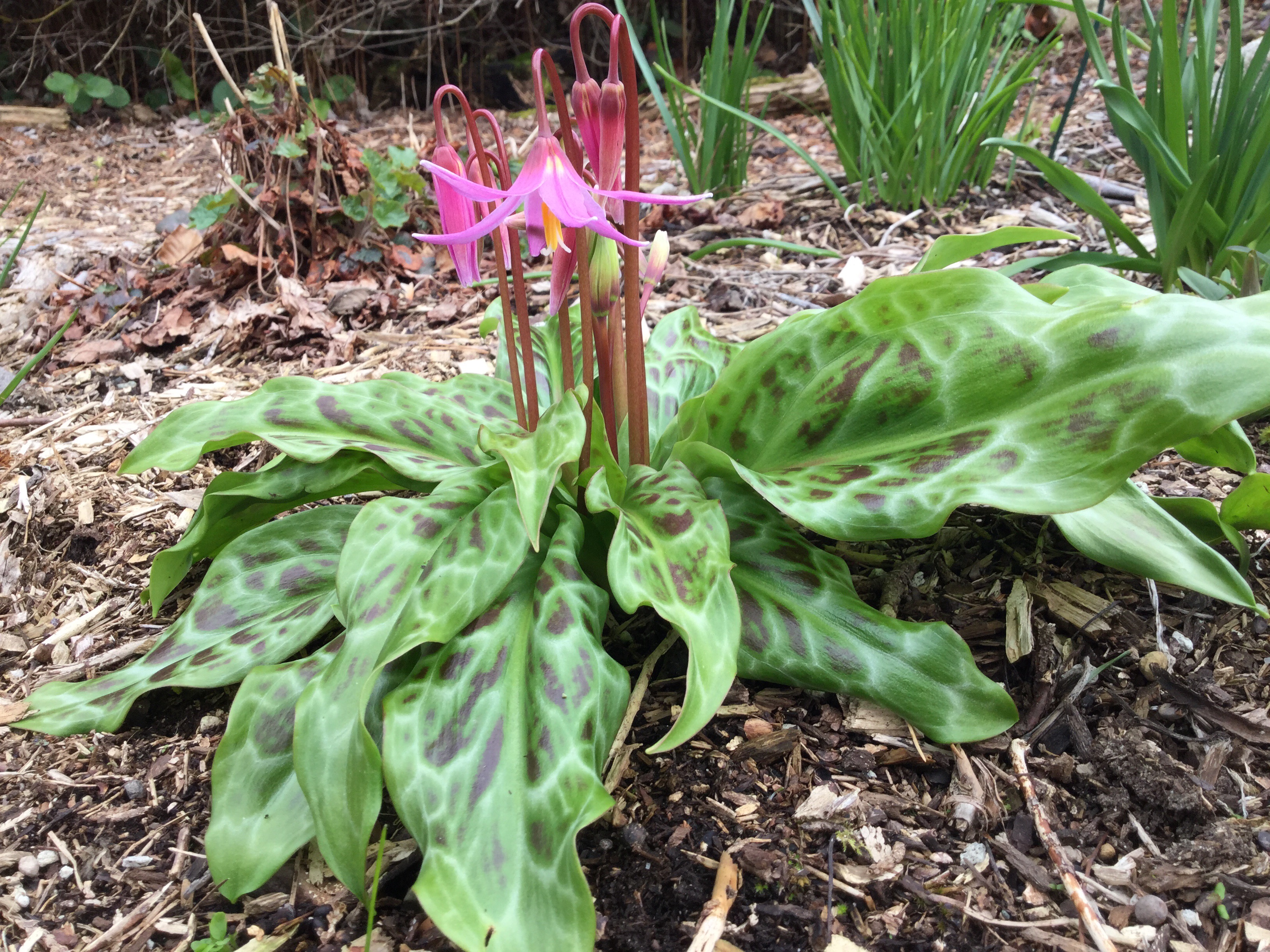
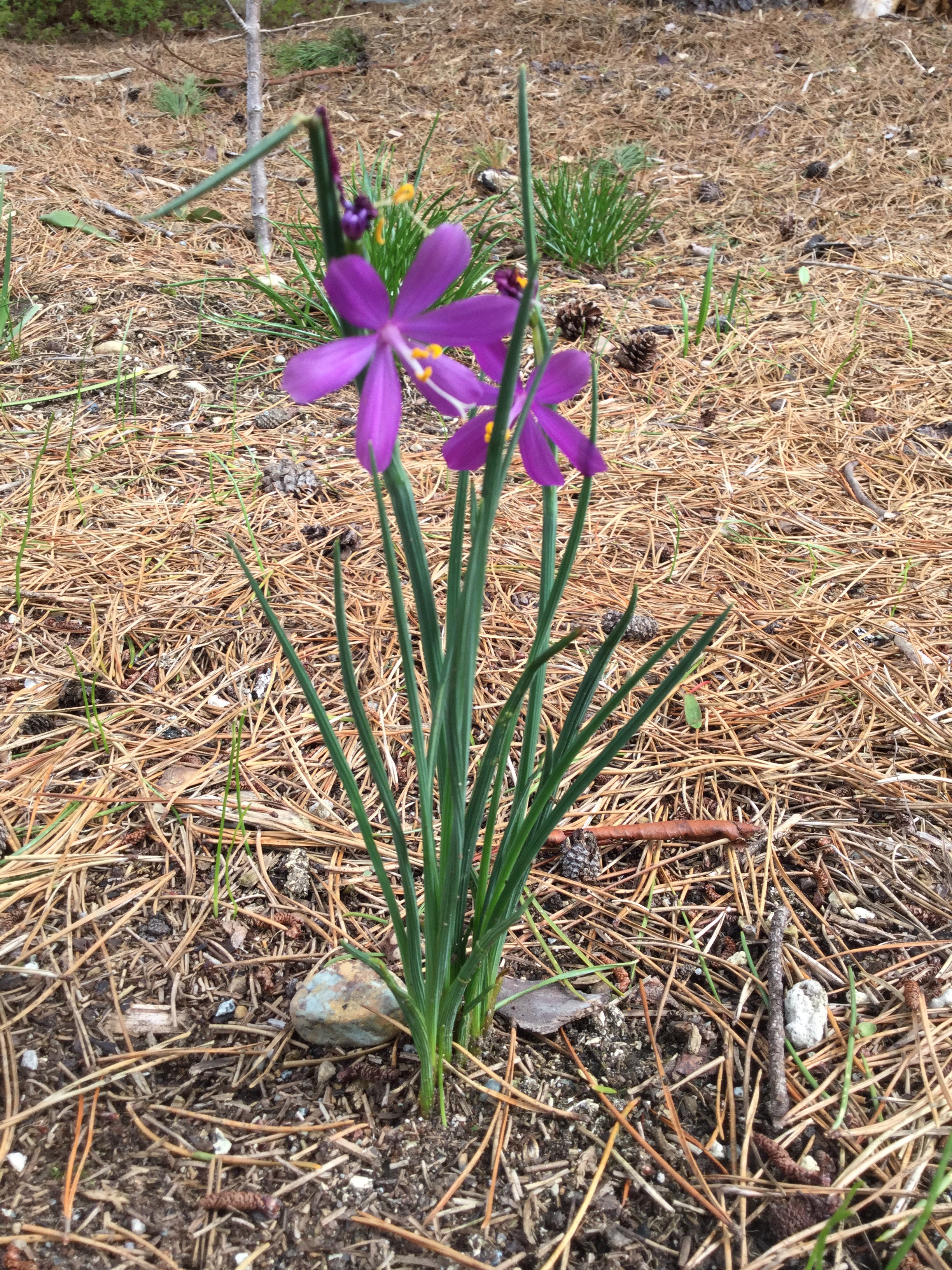
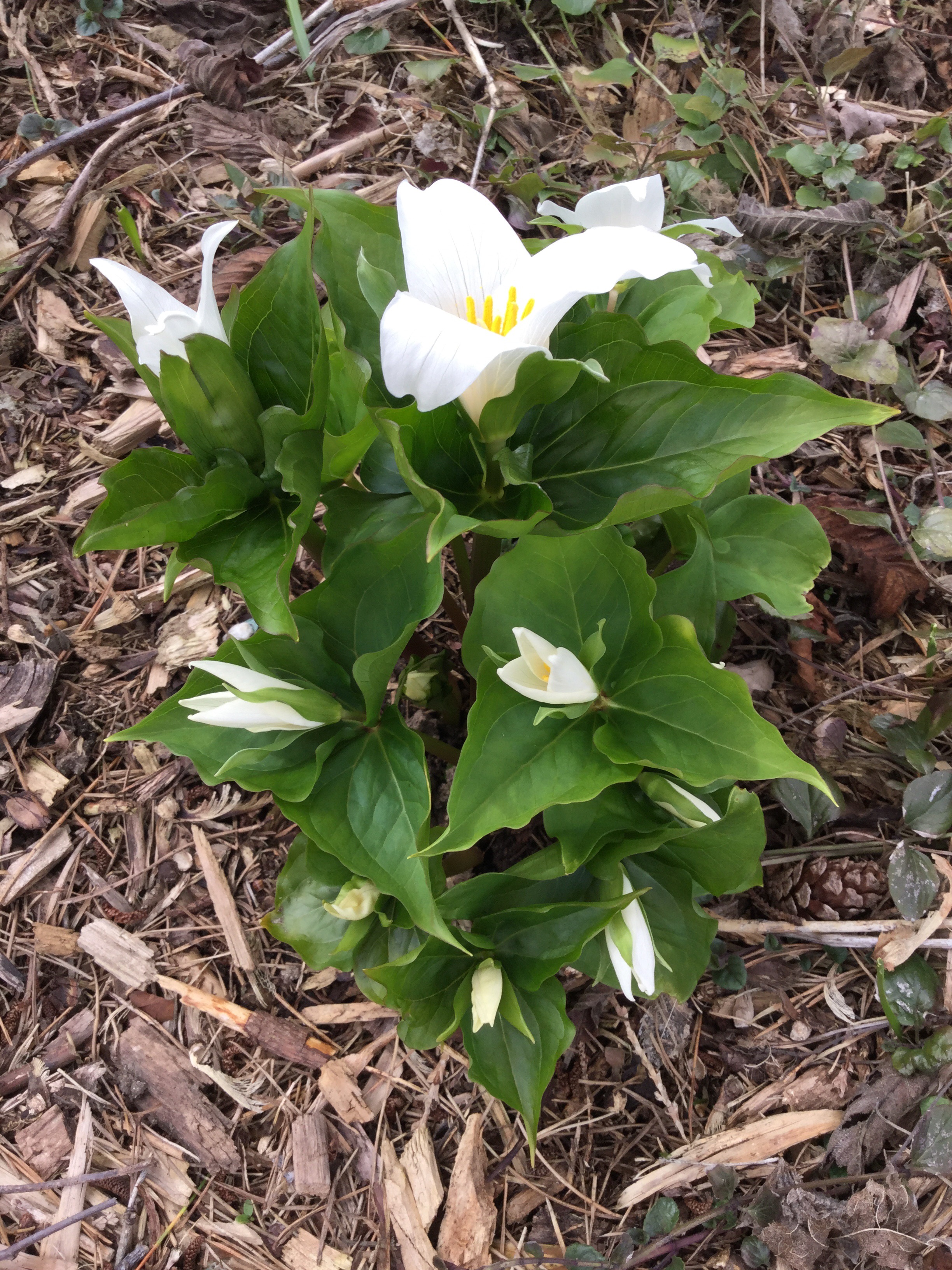
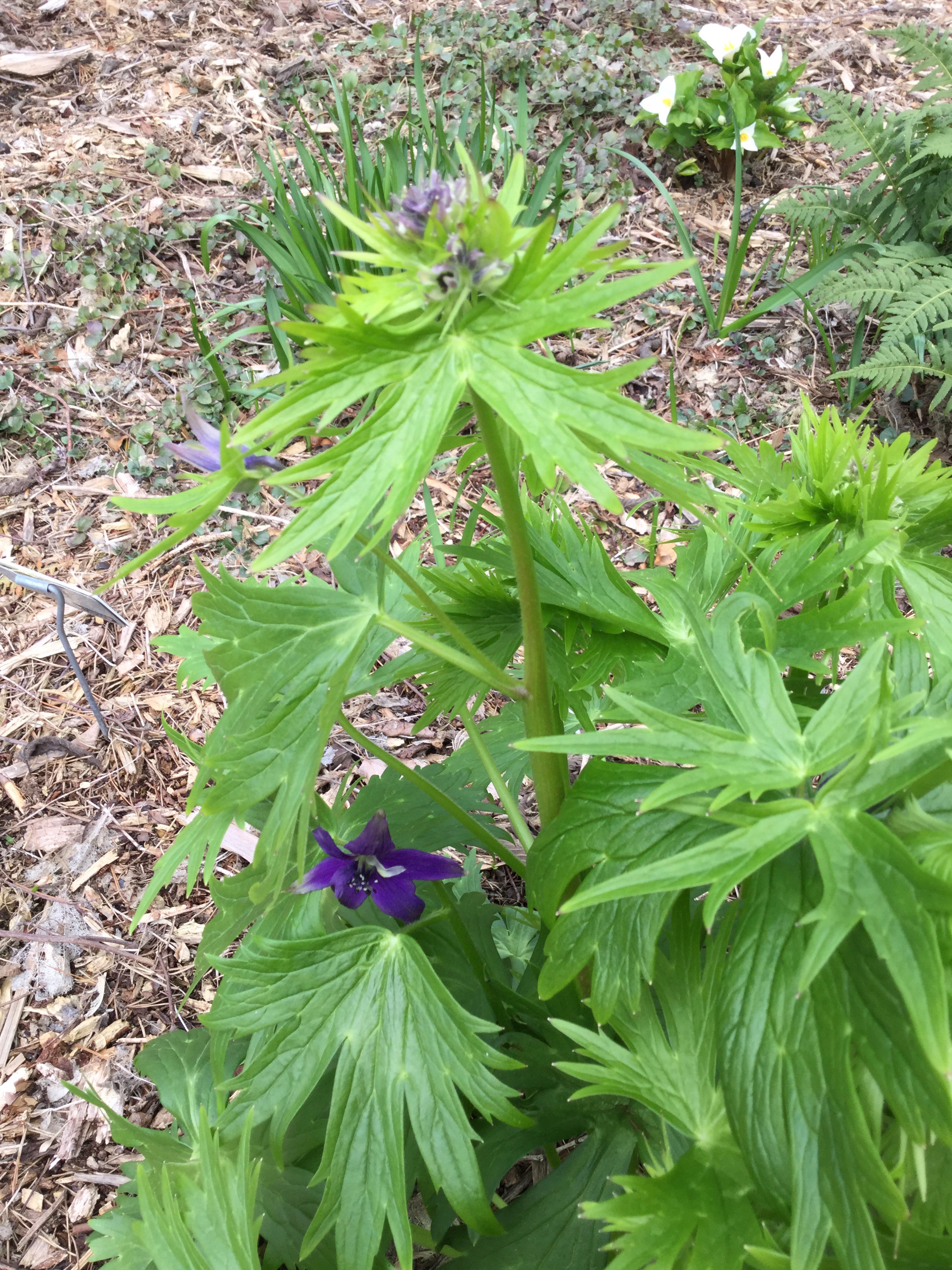
Below: Pink Fawn Lilly, Silk Flower, Trillium Ovatum, and Monks Hood (poisonous). These are all pictures from couple of days ago:

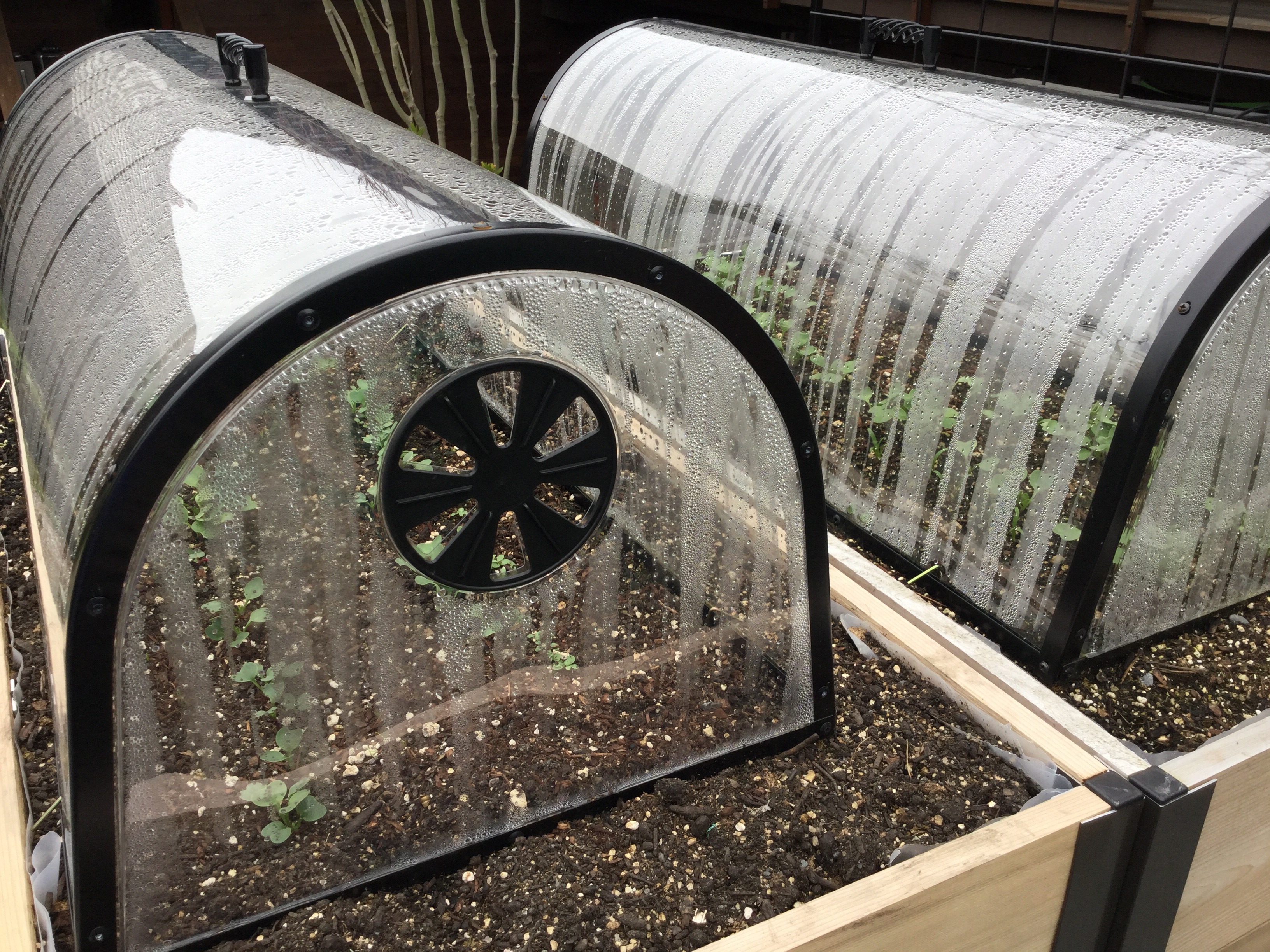
Oh, and I almost forgot, an updated picture of the hothouse, as I’m calling my raised planter now. I measured the temperature during sunny time. 55 in shade, 65 or so in sun, and 80 in the hothouse!! No wonder they like it so much. I may have to remove the cover during the warmer days, but I’m worried about DEER EATING MY VEGGIES!, so I’ll just take them off during the hottest hours of the day.