April updates

Not April yet, but so. Front yard: had driveway replaced, which was a little traumatic for some new ground cover along the edge, but overall a good thing. Several inches higher than the old one in places to even out the incline. We will be getting a new entryway with straight bluestones, so the concrete was cut with several angles into it to accommodate the stones….hope the next owners like it!

Above is the driveway half way done….it’s done now and normal color (that was some topical etching stuff). Some of the old stepping stones still there for comparison, will update side by side when done.

Put in another Shepherdia, or soap plant, down by the road/ hazelnut trees. It produces bunches or red berries in fall, but only if there are both male and female plants. We have an 8″ plant sprouting back out this year, but don’t know what that one is, either; they have to bloom to compare the flowers before you can know. And we got another small Rhodie Occidentalis or deciduous rhodie, for the middle of the front yard plate that was recently cleared….that should be the dominant or specimen plant there. There is already a Pieris in that area that is doing fine, but it’s position is eccentric and it could get in the way of a few plants.

Update 1/2019: moved the soap plant into the rest of the back yard and bought another larger one. Hopefully between the two here are male and female, as required for berries!

Just a little record keeping

Coyote by daylight, looking for his rib bone. I put it there to keep him in front of the camera longer. He eventually found it….see below

Seasonal garden occurrences: Monkshood is ‘leafing out’, as of last week. White Tritellia coming up. Both in the backyard, maybe I should transplant? The Cuseckii (light blue) Camas are coming up in the various places I transplanted , hopefully they’ll recover and bloom once again. I haven’t definitely seen the Howellii Camas which are similar color but different appearance, the other light blue Camas bulb patch I had to transplant due to failure to thrive. All the other blue and the white Camas are thriving, to the point where we considered cultivating it for eating. We have gathered and slow cooked it (see former post) a couple of times, but it is work. I can see how potatoes won out over Camas in the Native communities.

All seeds finally in the ground, although not all landscaping projects are complete. I hand finished some of the front yard where I wanted to plant, and where we had take out lots of Oregon grape, and various other non native plants as well as transplanting the large fern from there to the backyard (it already likes it better). Ten bags of top soil, potting soil, cactus soil sand and gravel filled in the fern divet and covered the areas for seed and plant/transplant. New Lewisia Cotyledons and Tweedyi for the front, a Castilleja Miniata Paintbrush, Penstemon Newbergii with crimson flowers, and the seeds of Irises Chrysophylla (white with purple and yellow stripes), Setosa (dark purple blue), and Siskou (yellow), and seeds of Buckwheats, bear grass, monardella and some other rock garden favorites.

January 2018 New Year’s greetings

Warning! This is a long post!

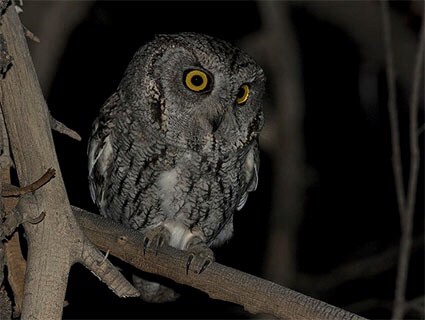
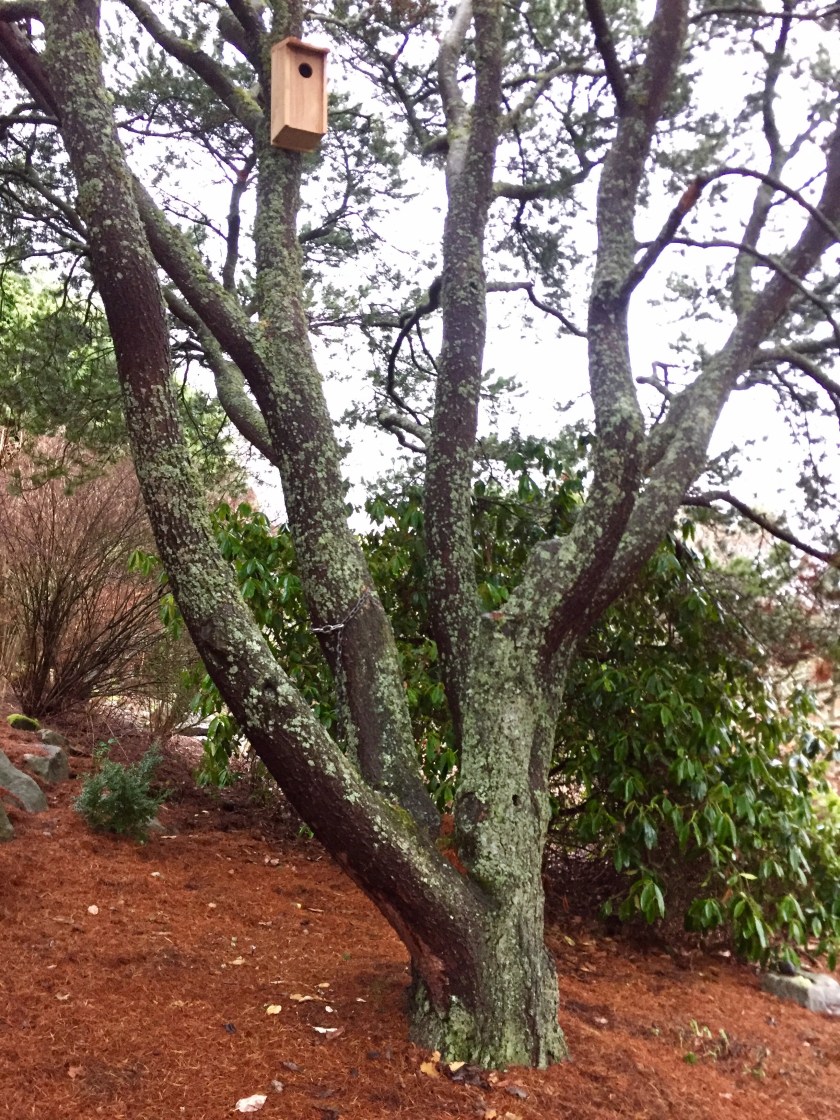
For our New Years entertainment, a screech owl box, which Dave put up in the pine trees in the back yard. About 12-14 feet up, with a view towards the north/ northwest, it is about 20″ tall and about 8″ deep and 11″ wide with a 3″ hole in the front, thick wood with sloped overhanging roof. It came with a bag of wood shavings. We also got a barred owl box which is really cool, but too big for our yard. Not to mention that would mean that two owls would have to find our boxes and then get along. Barred owls might even eat screech owls, I’ll have to look it up. Western Screech Owl, hopefully eventually I can get my own picture to post someday:

Pic of the Sceech Owl box we mounted in the backyard, on one of the bigger pines:

Continue reading “January 2018 New Year’s greetings”

Coming up Camas

About November 20th I noticed the re-planted my patch of Camassia Cusick popping up in a couple of different places. I replanted it because it was not doing well where it was…….it hadn’t flowered in a few years and this year even the leaves looked weaker and started to turn brown and spotted after coming up. It’s actually right next t some common Camas, which has always done great. I just cut it to the ground and covered it with mulch, in case there was an infection. When I dug the bulbs back up this fall, they looked fine, once I’d washed the slimy bulb cover off, so I planted them around. Fingers crossed. I haven’t seen the Howells camas that I also replanted in the yard. That patch wasn’t diseased looking but the flowers and finally the leaves looked anemic, and it also stopped flowering. Those bulbs looked just fine, if maybe a little smaller than the Camassia Quamash (common camas), but they seemed to have been stopped from growing deeper like they should have….maybe the soil was too firm, or not good? Anyway, those were super easy to take out, as opposed to the other camas that takes quite a dig, and they came right out. They looked like the bulbs were trying to grow sideways, that’s why I think the soil was a problem. Maybe there’s some big ole rock underneath that I haven’t seen yet. I planted bulbs from each site both in the front and the back. I’ve covered the new Cuseckii shoots because we now have…….

Deer! The little shits are actually coming around during the day. I found two together in our yard last week – a big stag and a doe, around 11 am. They ran into the next doors yard, and let me watch them from the street for a while. Then they wandered back into my yard, as if I didn’t see them. I went back and watched them for a while, got bored with them and then charged them to make them run (fast- into the north neighbors yard) which was fun to see. I don’t get to see stags take off like lightning. They don’t eat many of our plants, although they do nibble on new camas leaves in the spring, so I covered some of the newest shoots with a glass cloche, just in case. And they eat the flower buds of Brodiea and one of the Heucheras. They also trample a lot in certain places, especially part of our backyard sunny meadow. I arranged 8 tomato cage ‘towers’ stuck in a circle around the area to keep them out and force them to find a new path, so some of the seeds can establish and the herbaceous plants won’t be trashed when they try to come up. They don’t seem to like using stone steps or gravel paths – they trod on the soft wet mud instead.

Well, I did get something to try and discourage them, but not sure it will work. They sell coyote pee and wolf pee, in crystals and liquid. We got the wolf pee crystals, but not sure the animals even know what a wolf is or what it smells like – we don’t have wolves! It got better “ratings.”in general than the coyote pee on their website, but then, those were probably folks who lived near wolves. Arguably, it should have crossed our minds that there are no wolves within hundreds of miles of here. And that’s how powerful marketing is.

September end news


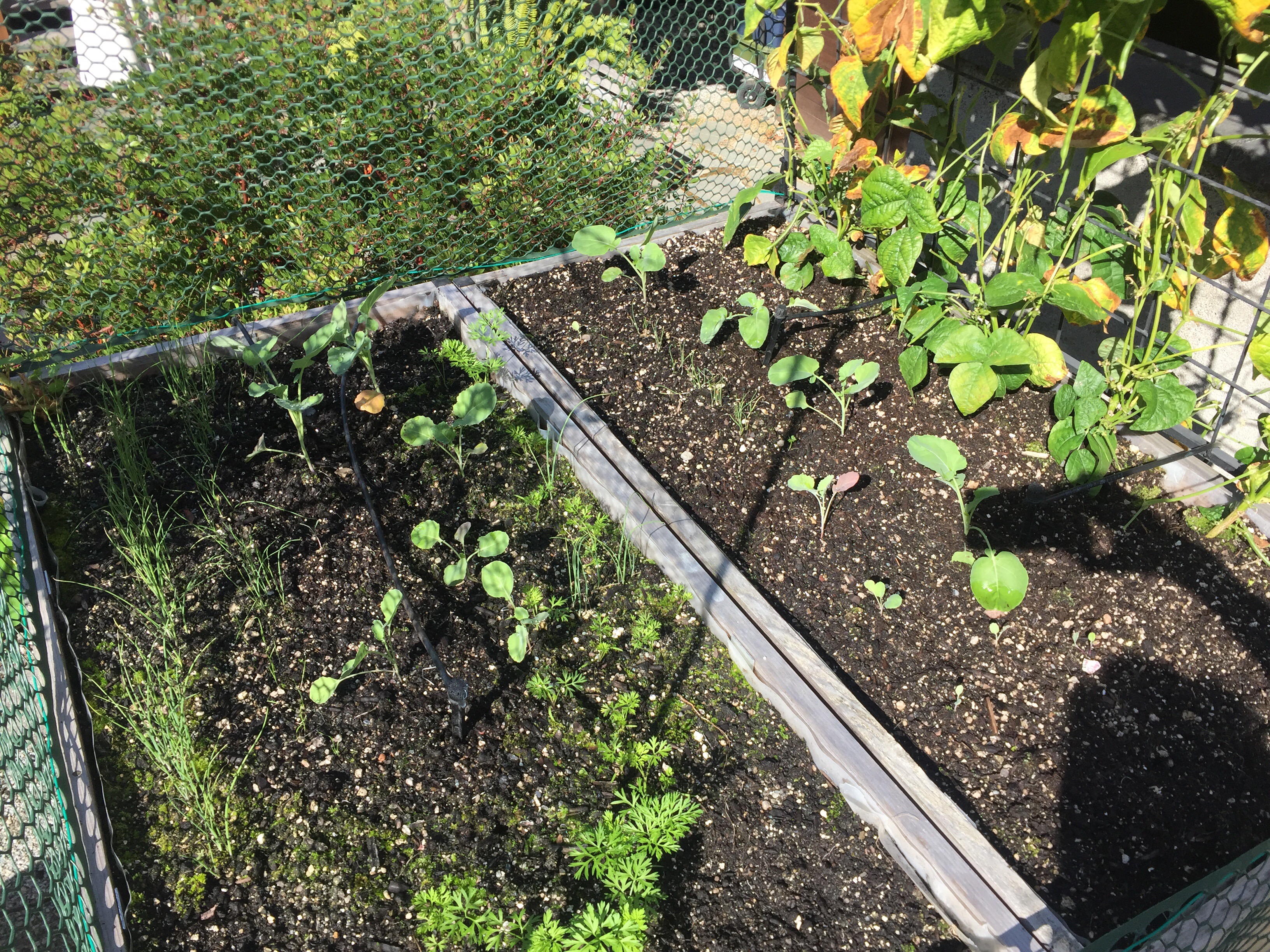
Vegetable garden: About 12 broccoli plants growing. These were sown around the middle/end of August, after other seed sowing attempt failed, I think due to heat.  Also a bunch of onions, and a handful of carrots. The carrots won’t get very far this time of year anyway, but if I encourage the brocoli to grow (and with cloches) we might get some late fall and even into winter, and onions usually have no trouble overwintering – the native ones do well. I have the kind of brocoli that can over winter or grow early in spring, a common type (walsham 29 I believe).

Green pole beans still doing great. We have enough for a large stir fry of Szechuan style beans every few days. It apparently likes fish fertilizer, and seems to flower a lot when it is fed, which is every 3 weeks or so. It also likes being picked, and makes more beans when you keep any seed-producing beans off the vine. So as soon as they look like ‘peas’ are forming they should be picked. They are supposed to be good through September, but they are still going strong and even putting out new foliage as well as flowers. Maybe climate change has alllowed this, it has been a warm summer. Sudden drop in temps from 80’s to the low 60’s recently, but now it’s back into the 70’s and sunny for a while, maybe we’ll have an “Indian” summer.

Tomatoes at their end. I didn’t like most of the Oregon Spring, won’t get that one again. The tomatoes were mostly mealy in texture, and they split very easily which caused more texture problems. Not particularly great taste, though a few were good. The Sweet Casady was good, but it eventually got attakced by what I think are winged aphids, losing many, actually most small branches. There are only a few bugs on the plant at a time but they sure do kill the leaves, and when they attack the stems of flower or fruit those die, too. There was already a lot of fruit on the vine when this happened, as well as new leaves and flowers – the plant had been doing well. The fruit itself was great, but the loss was from suddenly losing the leaves which are the source of their sugar, or the fruit dropping because it’s stem was killed. Such a violent yard I have. I may have caused the problem though,  in that I overwatered the plants thinking they were still too dry (after I accidentally cut off the water for a couple of days), and ended up creating a wetland habitat for those mite-like bugs in the planter itself. I could see them jumping out of the planter when I watered, and it wasn’t till later that I saw them attacking. Lesson learned, hopefully. I still like the idea of the cherry, plum or other small tomatoes, they are less likely to fail in general. 

Still have a bunch of asparagus starts that have lived under the planter all summer, getting watered and a little sun, not planted out! We have no place to put them, unless we make some compromises somewhere. Asparagus needs a minimum 20″ x 20″ planter, or in the ground. 

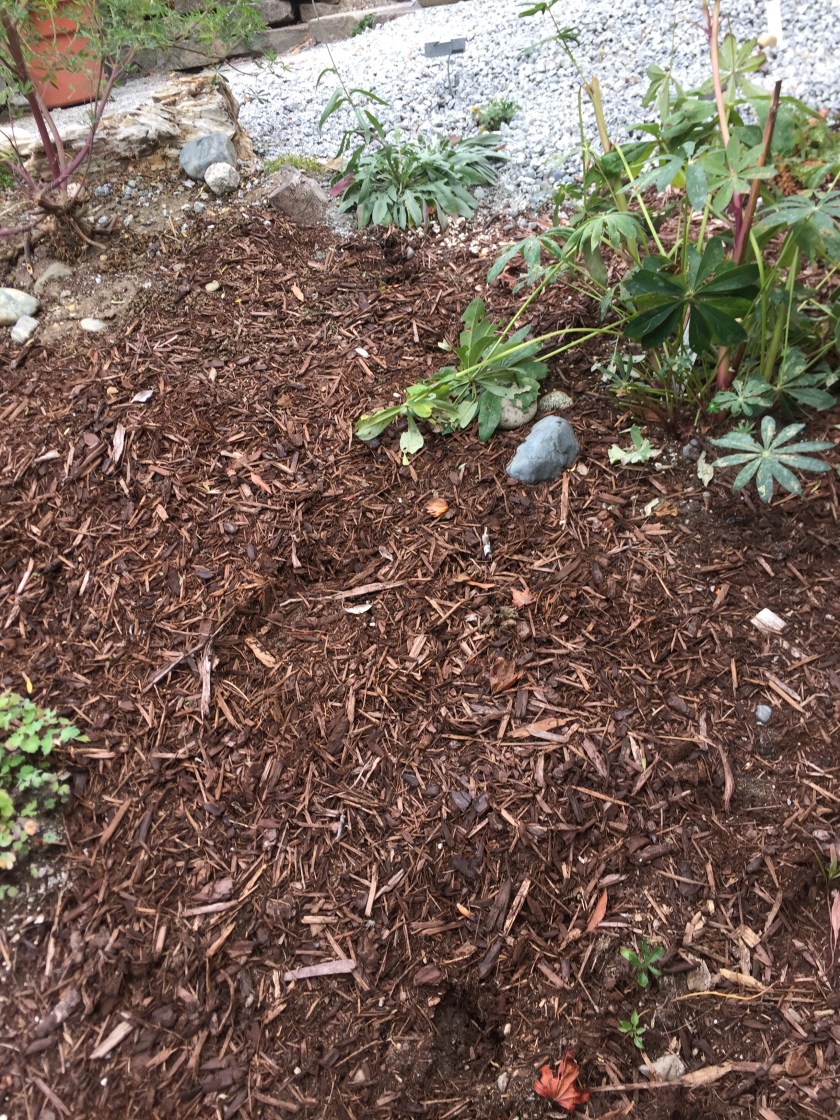
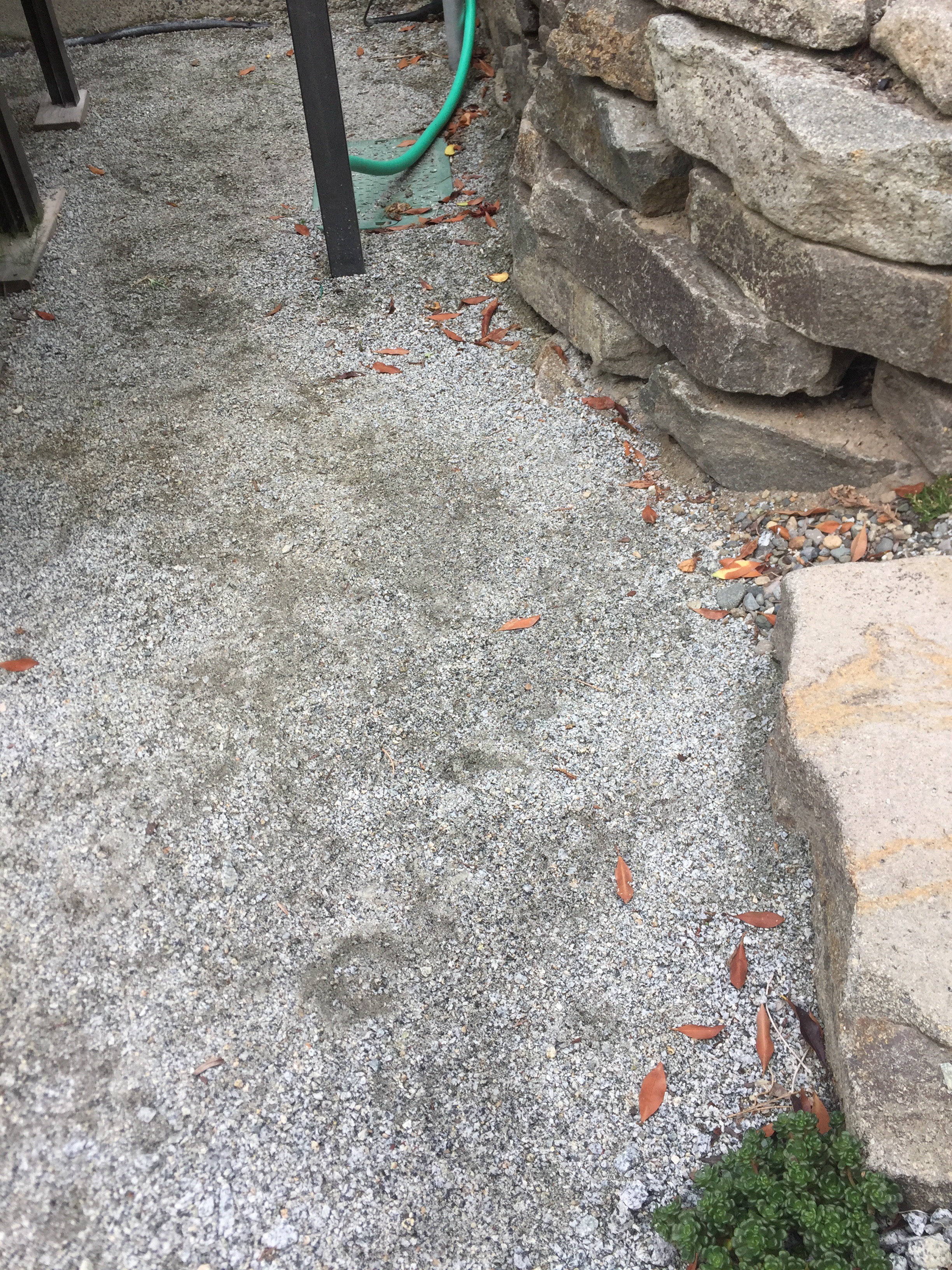
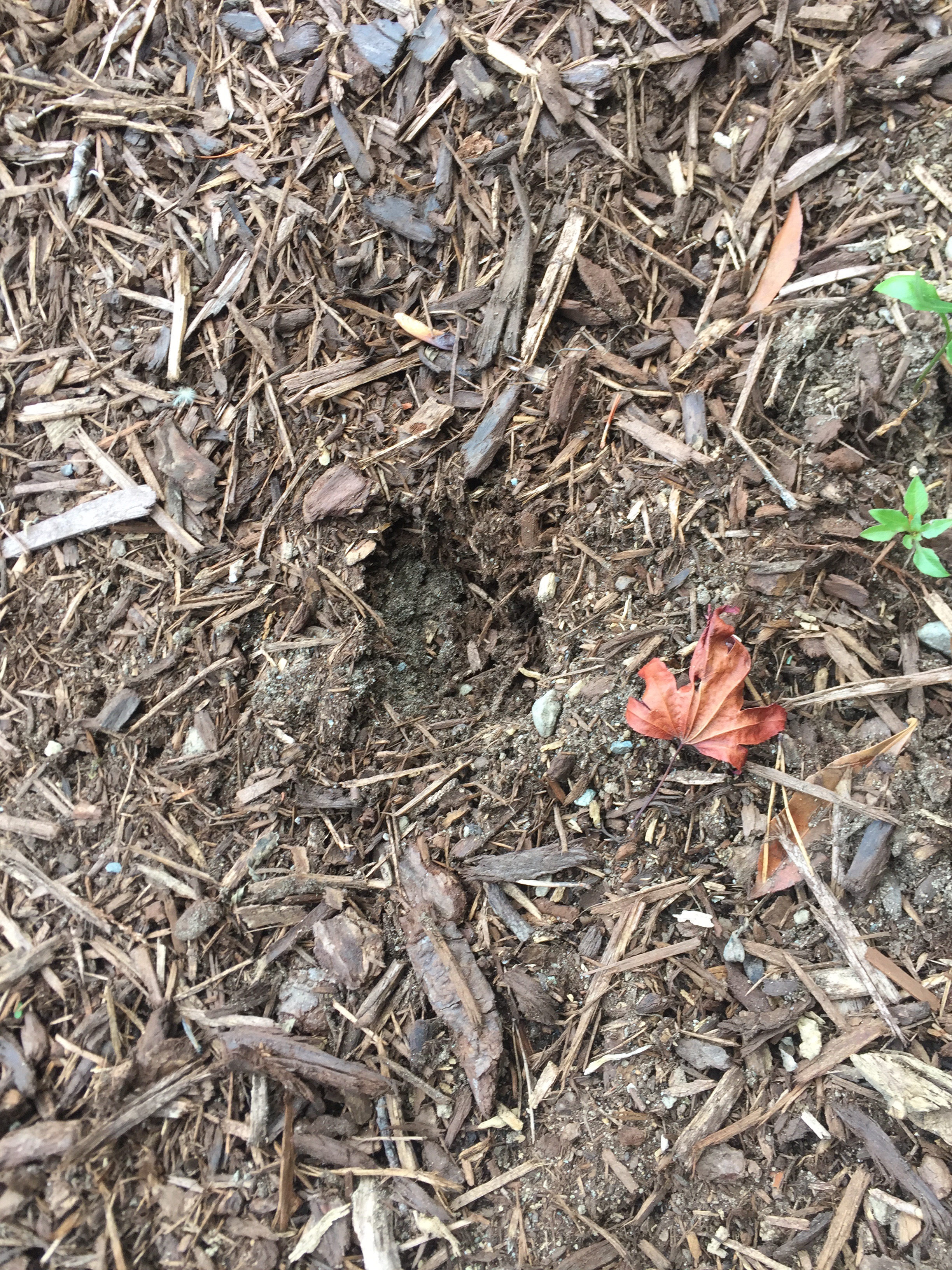
Deer in the hood….in the front yard this time. They don’t appear to have eaten anything there, but did leave hoof prints around. They also sometimes trample stuff. I’m a little worried that they will get more tolerant of some of the native plants as the winter sets in. They have already eaten OLD trillium leaves, now they are nibbling on the False Azalea and Geum leaves, all of these normally die back over winter but we’re still quite green. In spring, they eat the flower buds of one of the heurcheras and the Brodiaea, and nibble some of the Bluebell leaves. The key is going to have to be volume – overwhelm them and the fucking voles so there’s sustainable carnage.

BTW, I spotted a vole coming out of a tunnel he’d created near the new bog, the little shit. I’ve only actually seen the bastards a few times, once as an owl pellet.   He came out, stopped and turned tail back in. Later I noticed that a new type of bog lily we bought for our yard last year was dead – the bulb eaten, at the end of one of his tunnels. Luckily it had already sprouted another offspring overwinter, so there’s still one there, unlsss the little shit comes back and gets it.

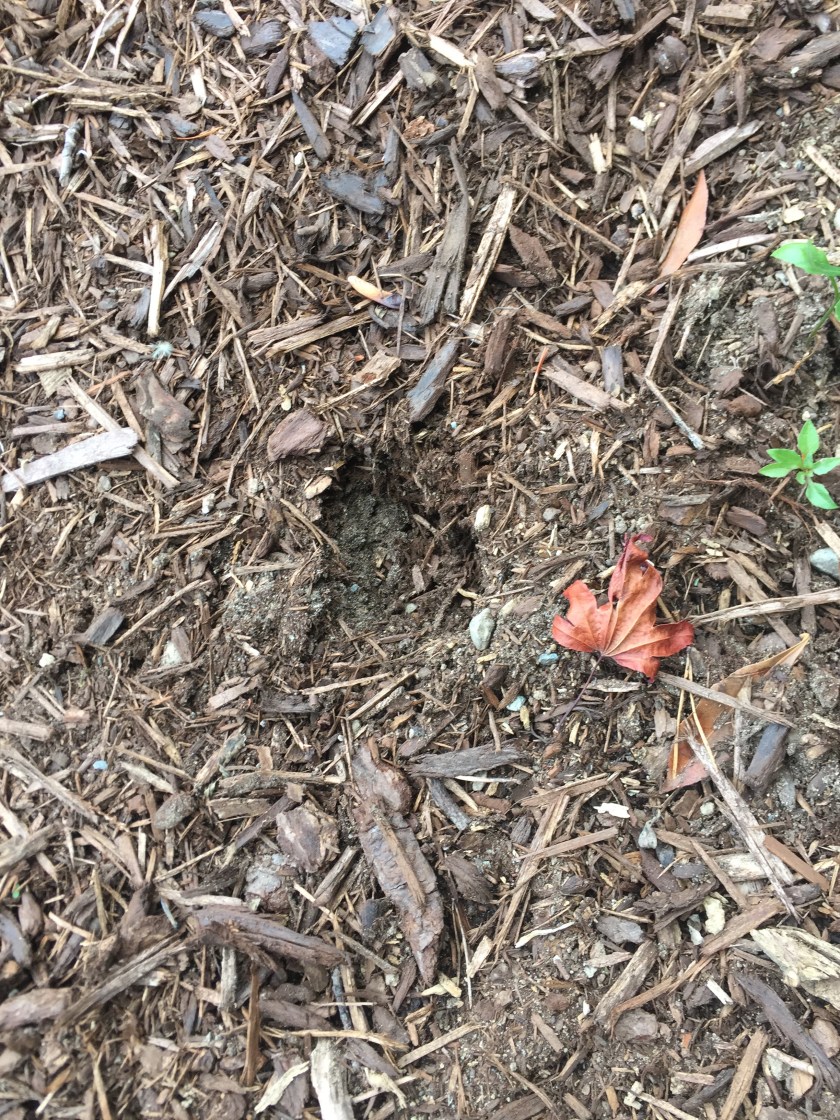
Deer tracks:

Tomatoes!

Had to wait until the end of May according to the experts, so I wouldn’t get “flower drop” and lose all the potential fruit to our labile weather like last year. But we chose two varieties which tolerate cold, anyway, so maybe plant earlier next year. These are Sweet Casady (sweet small heirloom type, indeterminate) and Oregon Spring, (a determinate early fruiting one). Now we just have to hope the deer don’t find them! I may put the dilute pepper spray on them, but it seems futile since it will get washed off with the frequent watering I do. Baseline pics of the ‘maters and early cucumber shoots. No beans yet, so I planted some more recently.

May 5 2017

Video tour taken today, in 30-60 second segments. But, the site is having difficulties and I can’t upload them to the site. Next time, we’ll have to go with pix today.

We had salad from our veggie garden last night. To harvest baby spinach and butter lettuce, you can cut the largest leaves off as they grow, and then more leaves grow in. It also allows more light for the carrots and onions (scallions), which I need to plant differently next time. It produced enough salad for three already- we planted it March 26. The carrots, green onions and new set of radishes and lettuce still need to mature. I planted pole beans and cucumber along the back of the planters on May 1(4 days ago), to trail up the trellis. The cuke seeds turned out to be a “bush” variety, which trails over things rather than climbing (gotta read the fine print…who knew about that?). I can still use the trellis to loop the vines up before they hang back down,as long as the beans have some room to climb. What with the nasturtiums in most corners and the newest veggies along the sides, this is going to be one full, busy planter!

Today had a handful of nasturtium leaves, they taste peppery good (a sulfur compound, similar to radishes).

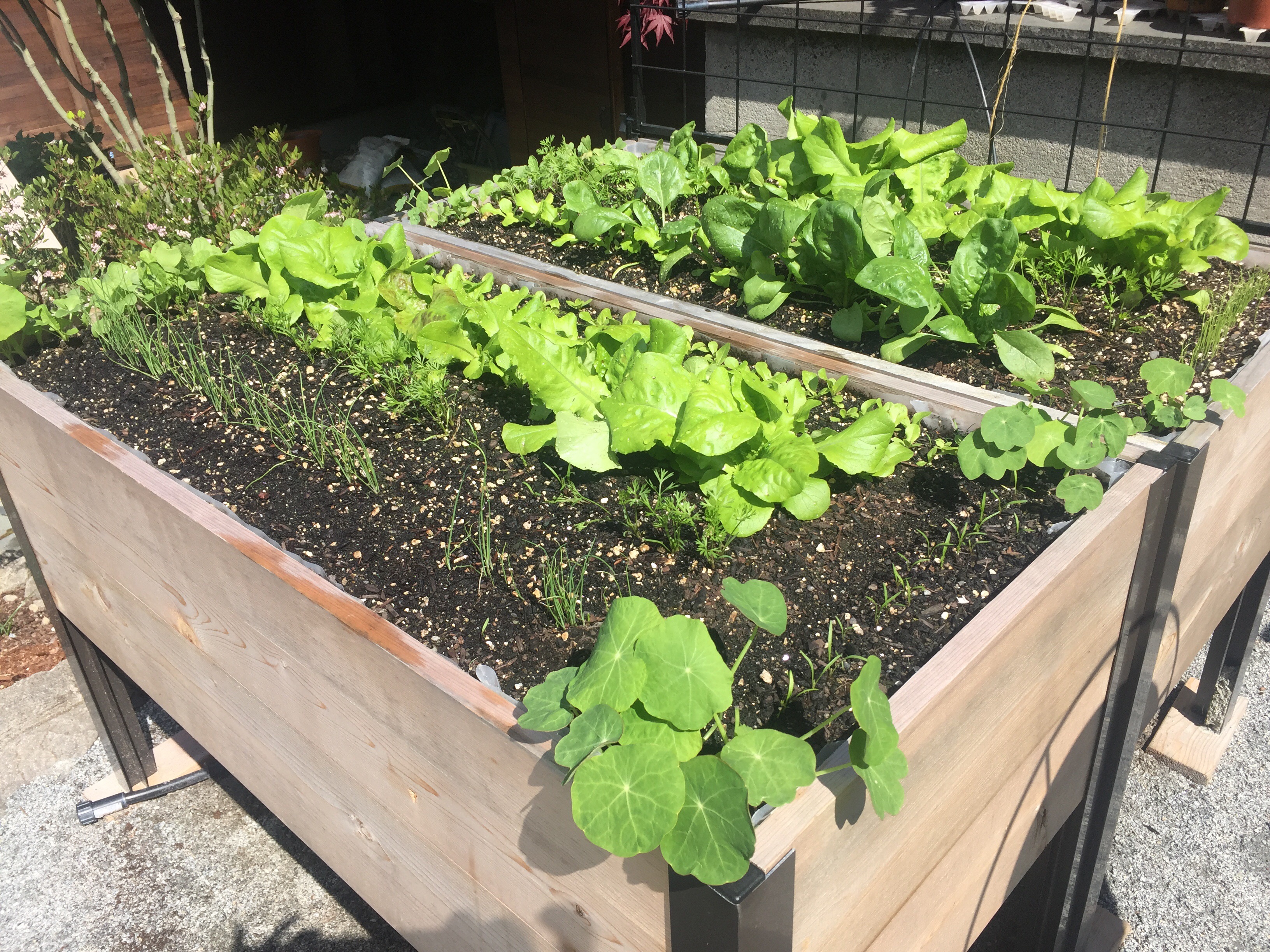
This is after harvesting all the first batch of radishes and the larger leaves of baby spinach and butter lettuce: more light for the rest

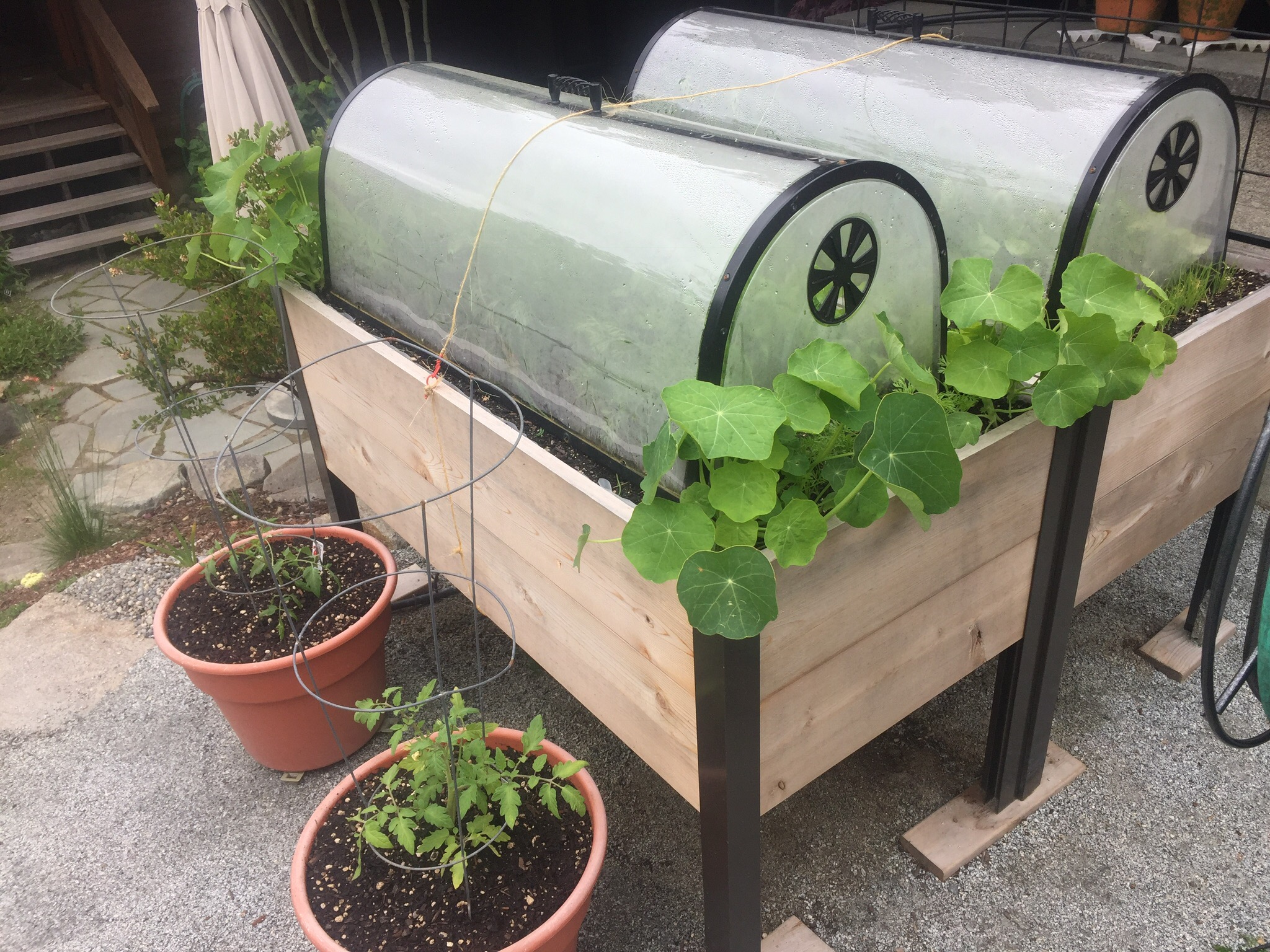
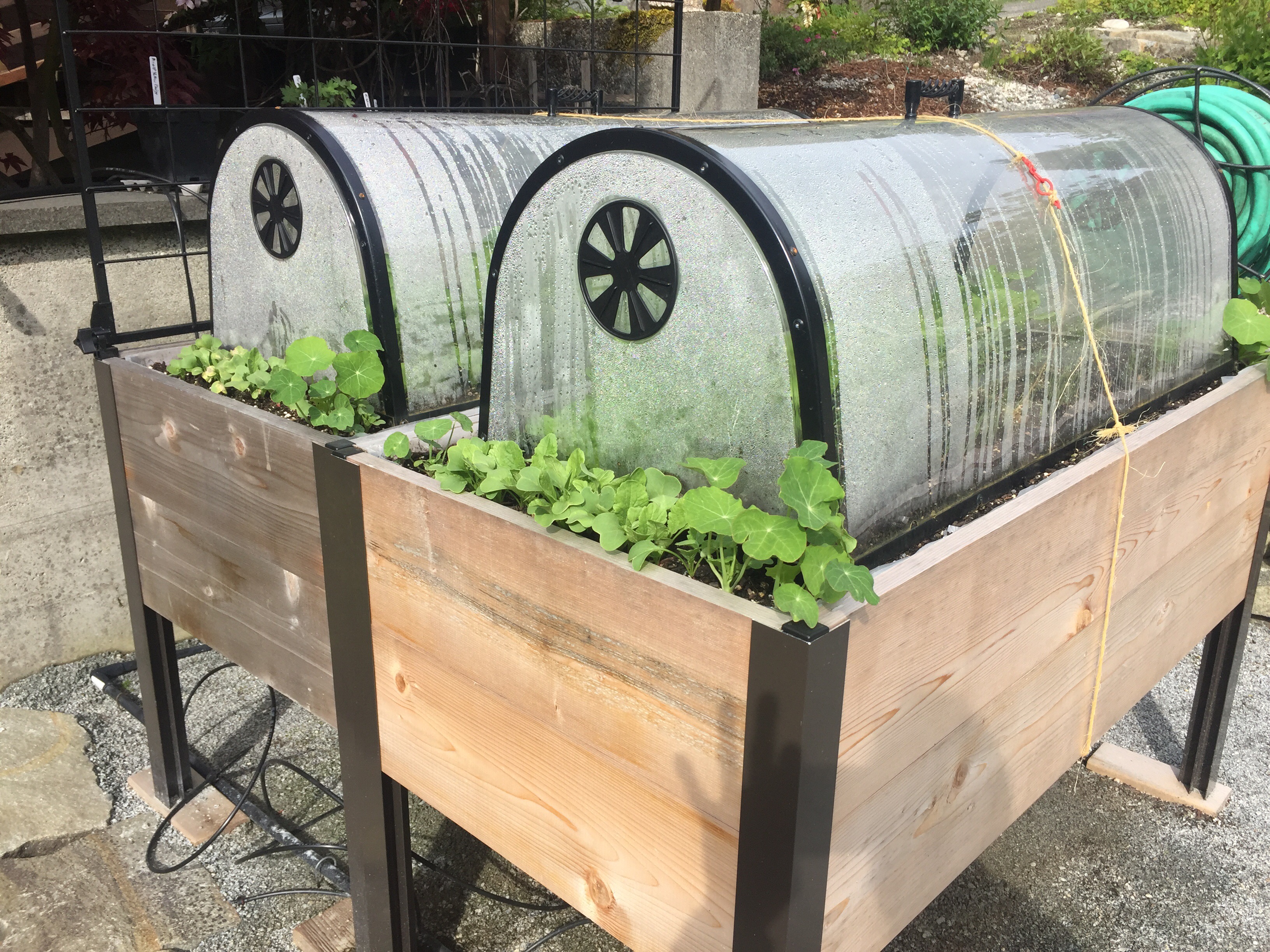
View of what the cloches cover…I planted outside with stuff the deer probably won’t eat, like nasturtiums and onions. Hopefully they don’t like cucumbers?!

Earth day (tomorrow)/ April 21

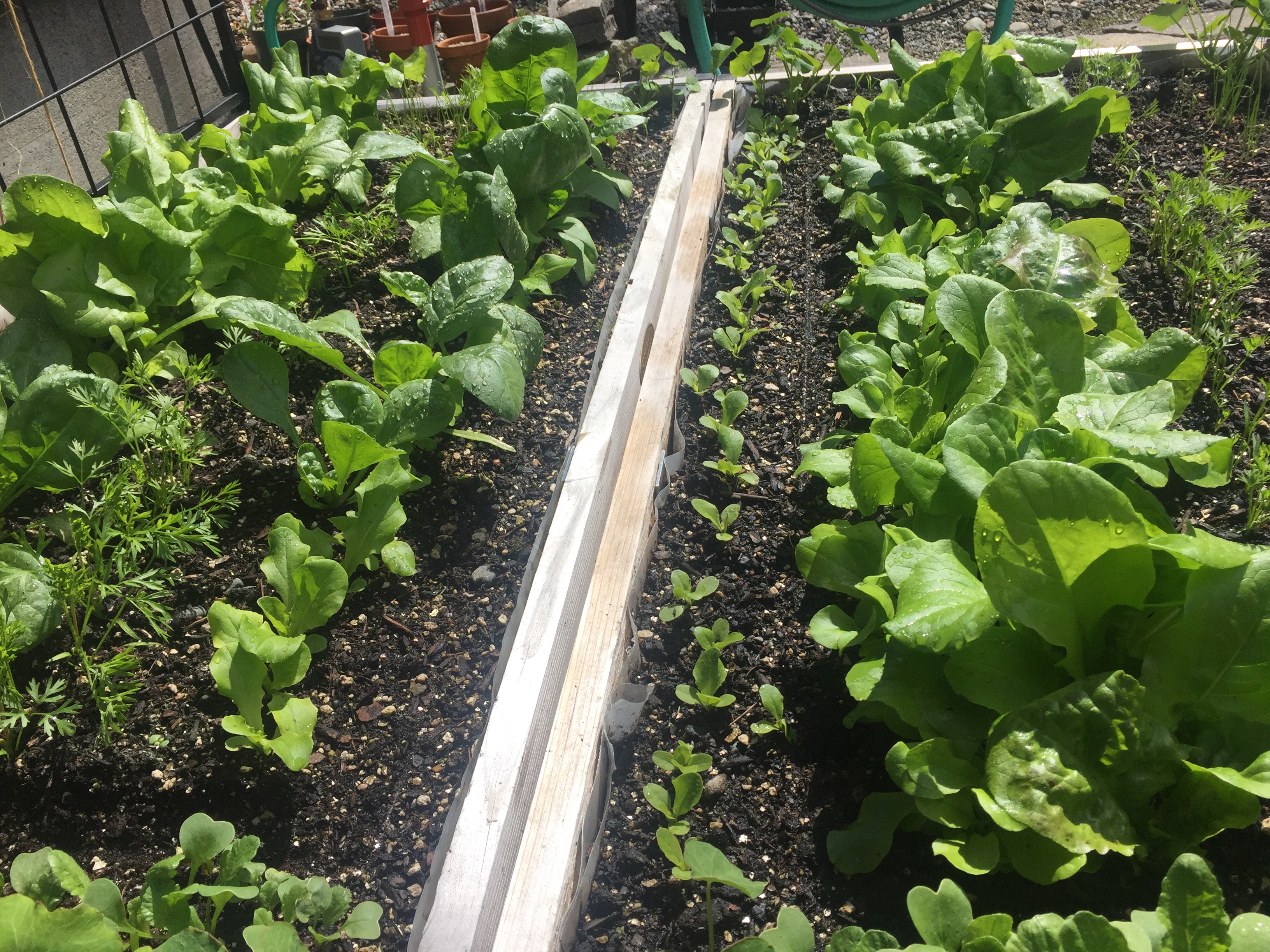
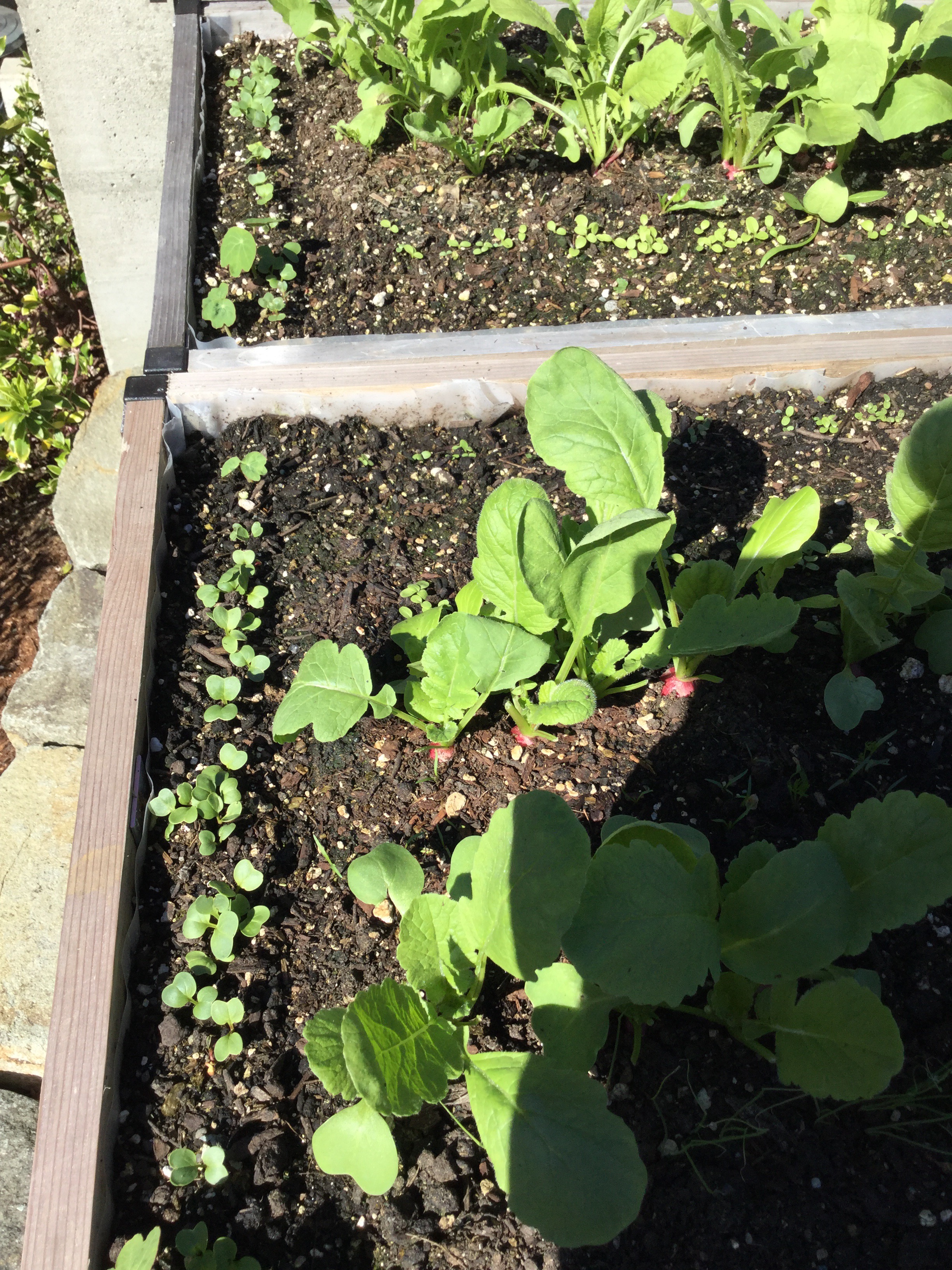
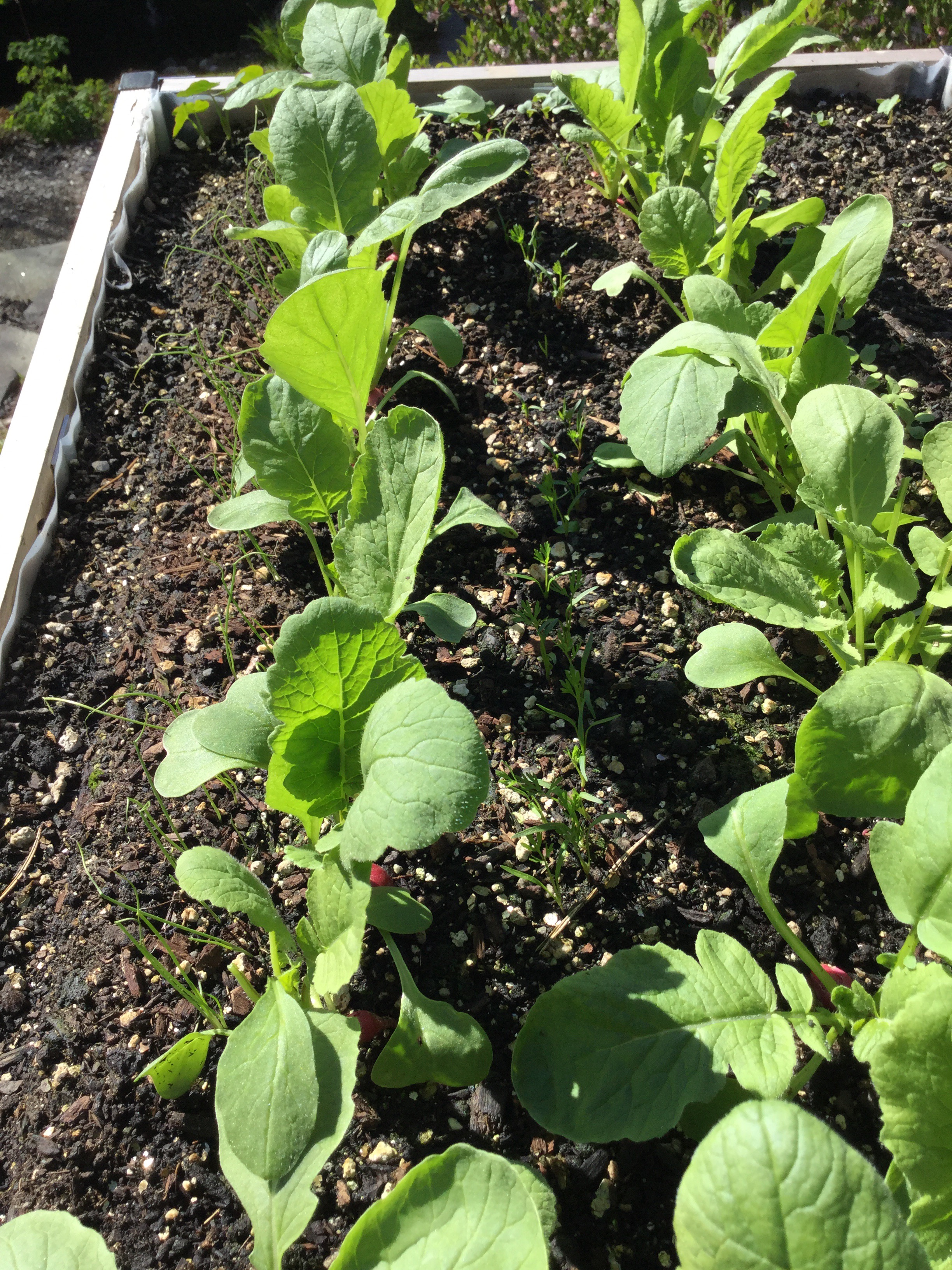
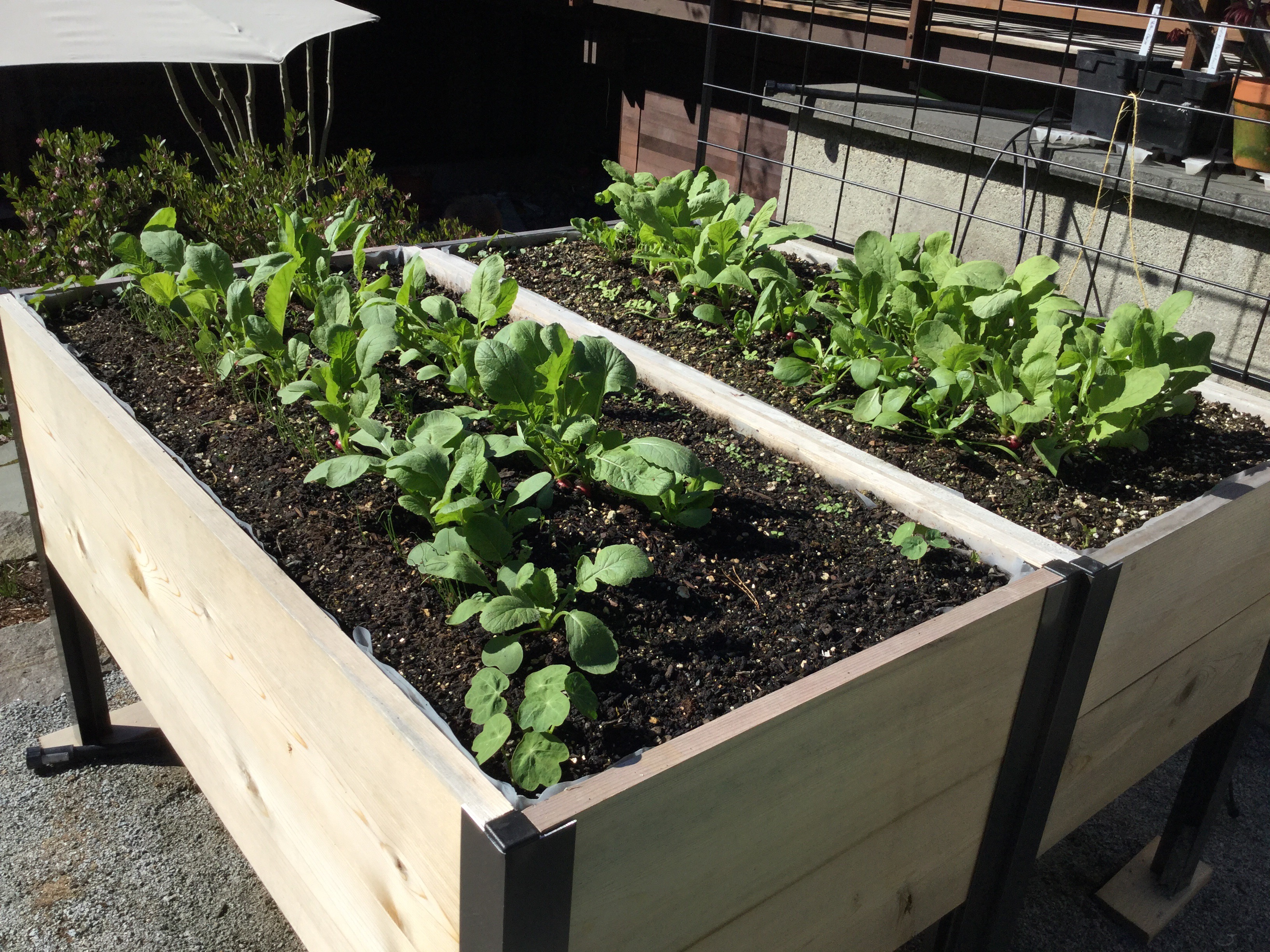
Below is the vegetable garden as it looks today, almost four weeks after sowing it and putting cloches on. I’m leaving them off all day today due to the beautiful 60 degree sunny weather we’re having…..tomorrow there will be the start of several days of rain. (This is the Pacific Northwest, after all, and a historical record year of rainfall – for the winter and for each month so far including April, 44 inches or so as of a few days ago. This tops last years record rains apparently). We’ve harvested about 30 radishes so far in the last few days, to eat and also to thin out clumped areas. They are really good straight- peppery with just a dash of salt and a beer. There are still a lot of radishes left. They were supposed to be just planted in between the other ‘crops’ to make use of all the garden area. But they opened and matured first with rapidly enlarging leaves, and if unchecked they would choke out the others.  They taste great, but they make a good weed. **So, as a cautionary tale, I would suggest to myself as well as to you, that because of all the large leaves, next time the radishes should be planted in several adjacent rows towards the ‘back’, or north side of the planters***.  Skinny leaved Onions are the best at the southern front rows, followed by carrots and spinach. 

As the reddening lower root enlarges, the radish pushes up above ground, so you can see which ones are ready to pick.  These were mostly picked early, though, since they were shadowing out the other veggies.  I had put some more radish seeds outside the cloche along the west border, which are now germinating, to use ALL the space, and some more carrots and onions outside along the east border……probably should have switched that, given how aggressive the radishes are compared to the others….the others aren’t up yet.

I do have red/yellow/orange medley nasturtiums, those are the leaves coming up (to cascade) from most of the corners. I left the whole north border clear, for future planting of  the climbing plants- pole beans and cucumbers, and maybe snow peas. That should be soon. 

New radishes left, older radishes and onion, carrot and spinach seedlings
The larger radishes planted “in between” the onions (to left) carrots (middle), and lettuce (right)

Rest of the crew….


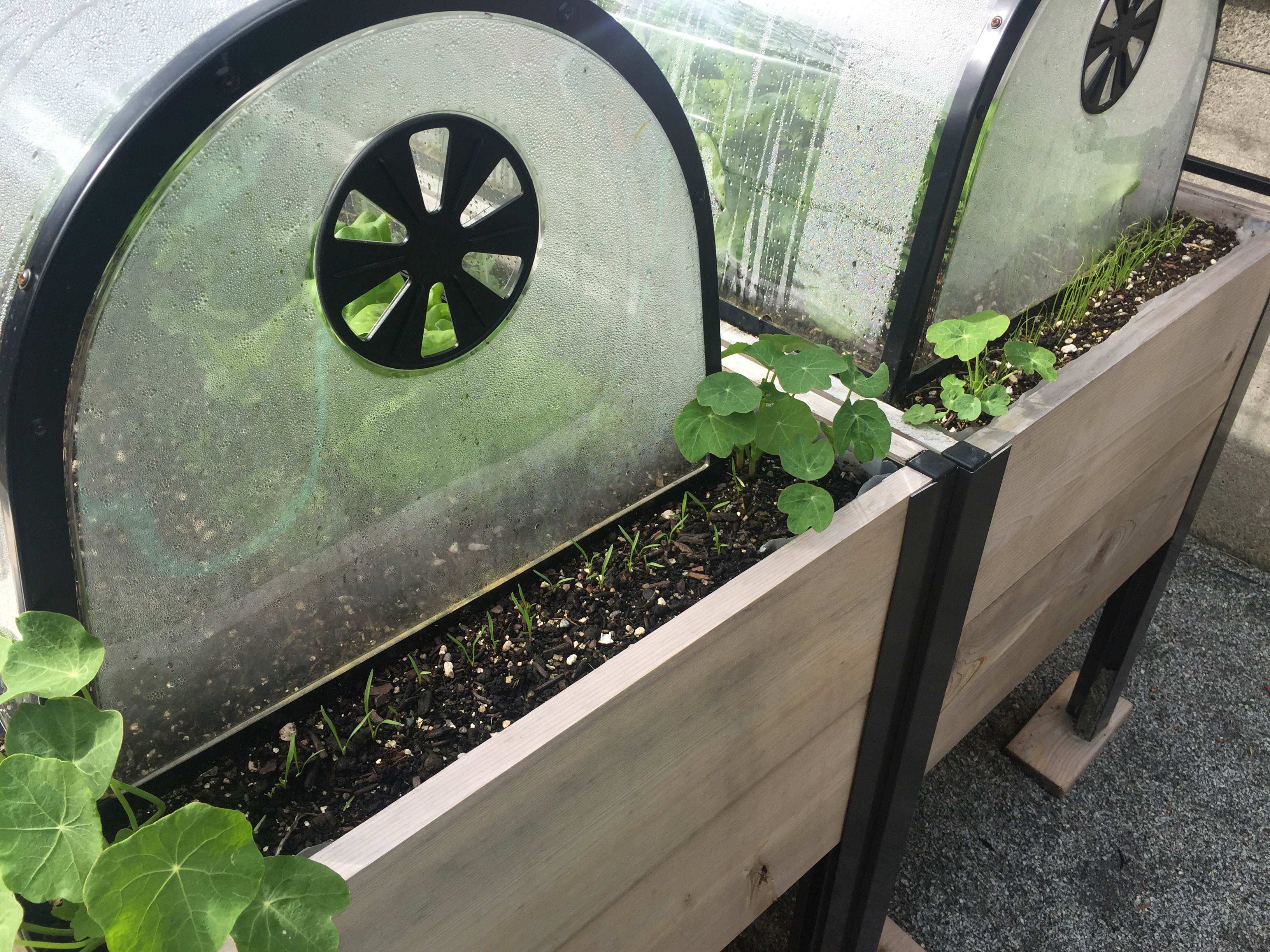
Spinach and carrot seeds popped up at 8 days, and the ‘bunching’ onions or green onions on the 10th day.  The spinach is a “baby spinach” which is a type that has individual rounded leaves, not bunches (not “baby” at all!), and the seedlings look linear/branching, not rounded seed leaves like the lettuce. Looks like I’ll have to mark my rows better for seeds; it is true that once you’ve covered over the seeds with soil, it’s pretty hard to tell where the original line was. So the radish lines cross the spinach line and some lettuce, so what? They are loving having the cloche to keep them cozy warm like a hot house, and the radish leaves are huge already and it’s only April 3. Makes me tempted to start the cucumbers early inside the cloche,  yet I don’t think they like the transplanting needed to give them access to the trellis….technical issue I’ll have to address.

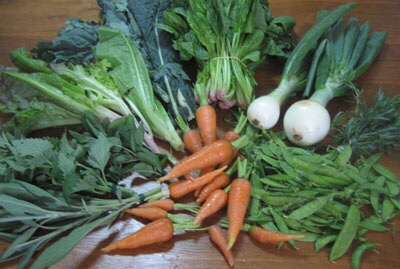
Full disclosure, this is not my cornucopia below. We started our garden way too late last year for much of anything, since we didn’t have the planter bed until end of May. But we are planting all of these things this year(see prior march posts), except green onions instead of leeks:

Veggie garden for the Pacific Northwest ! 

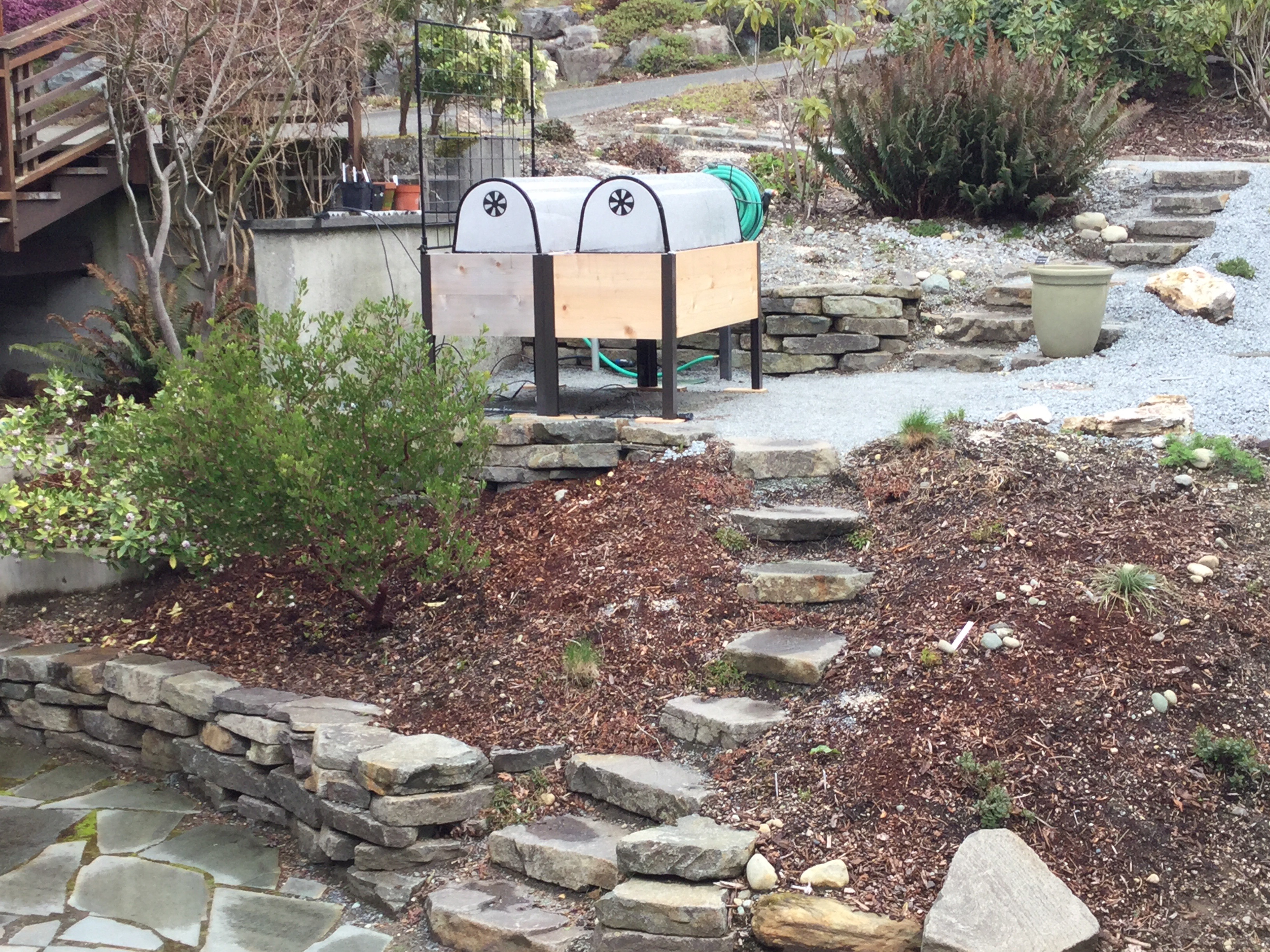
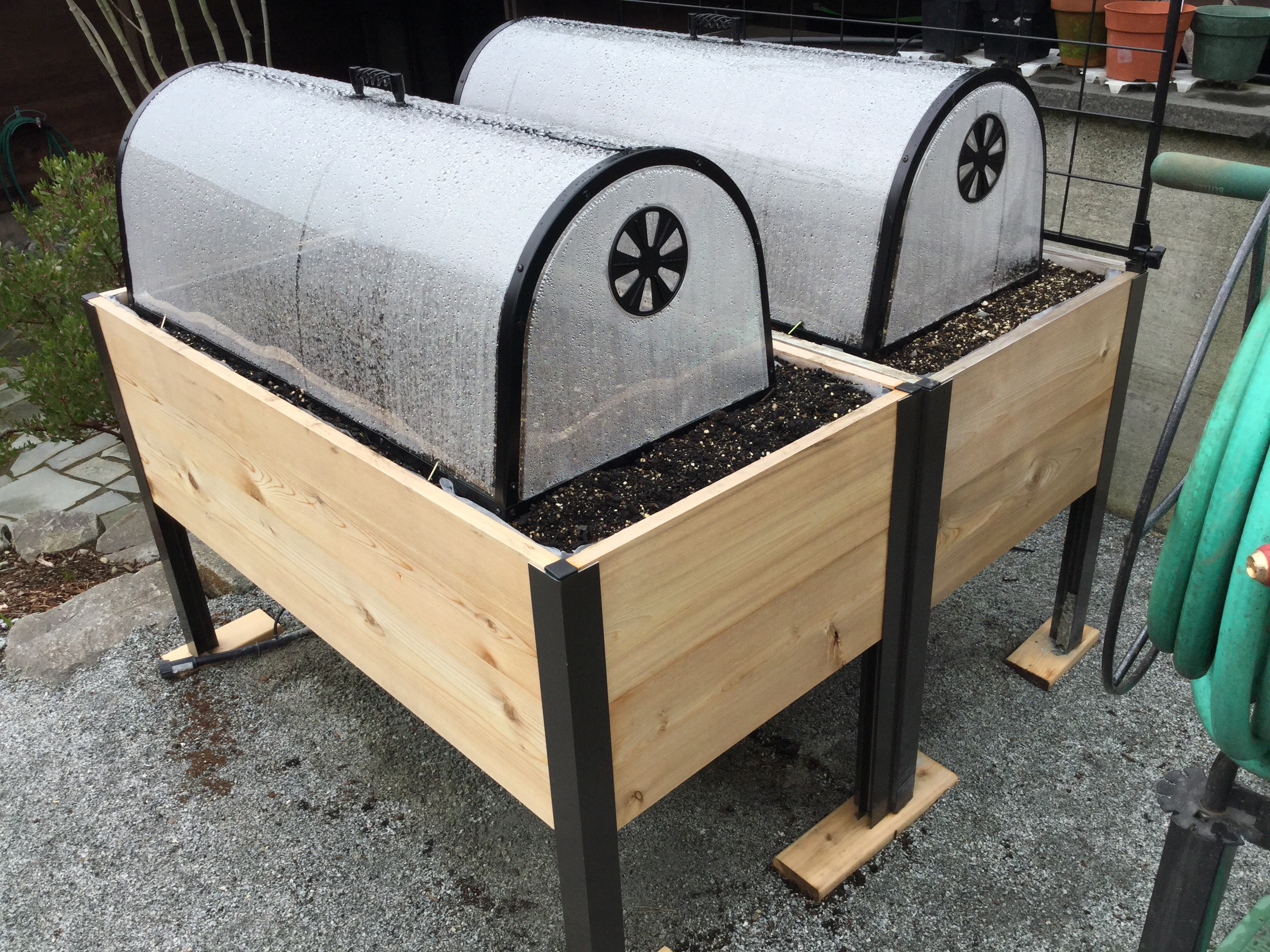
Actually planted one week ago (MARCH 24), after we set up and filled the second of our raised planter boxes. They are 4 x 2 feet, and raised about 3 feet off the ground. Next to each other, they are 16 square feet total planting space:

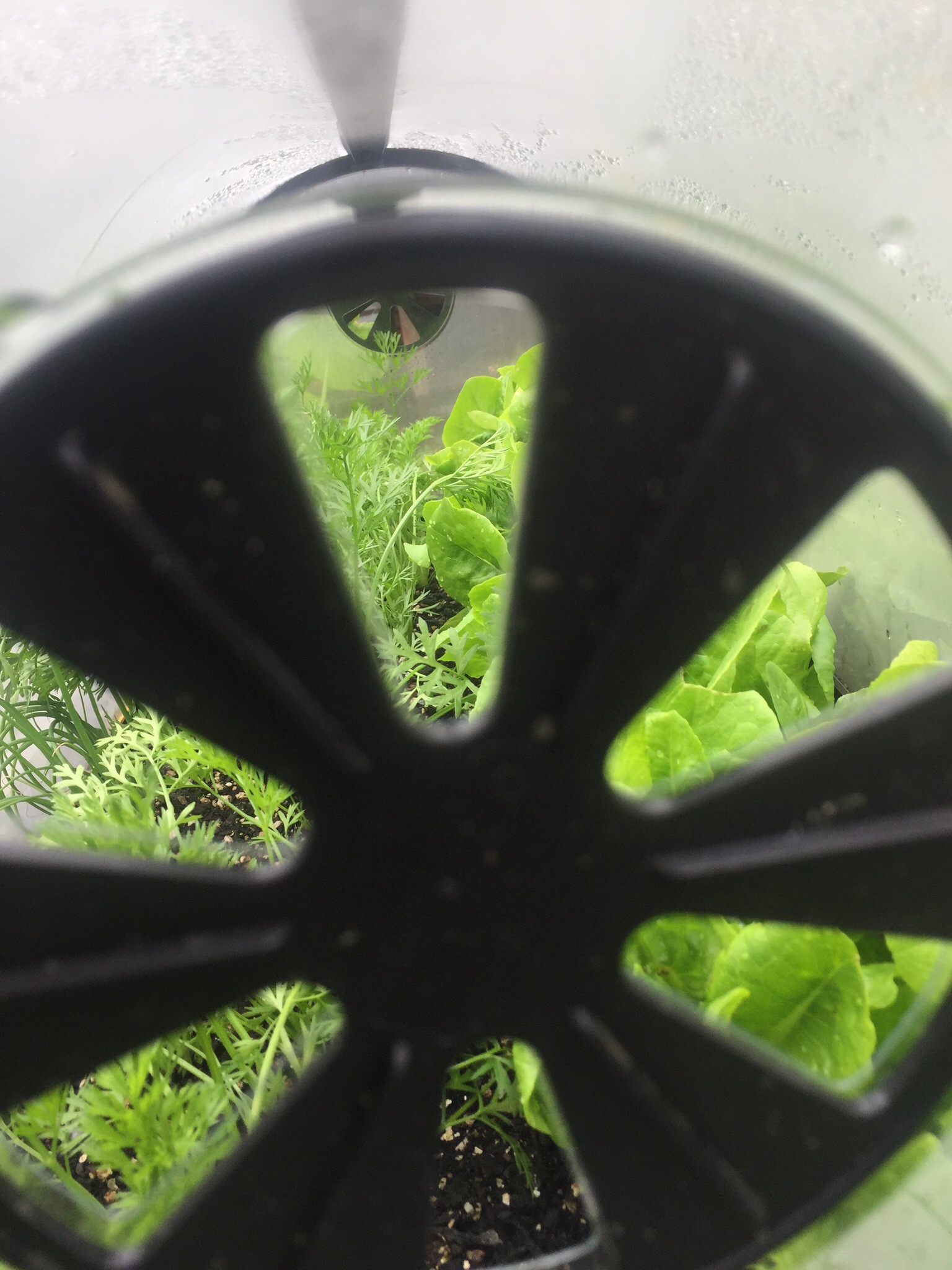
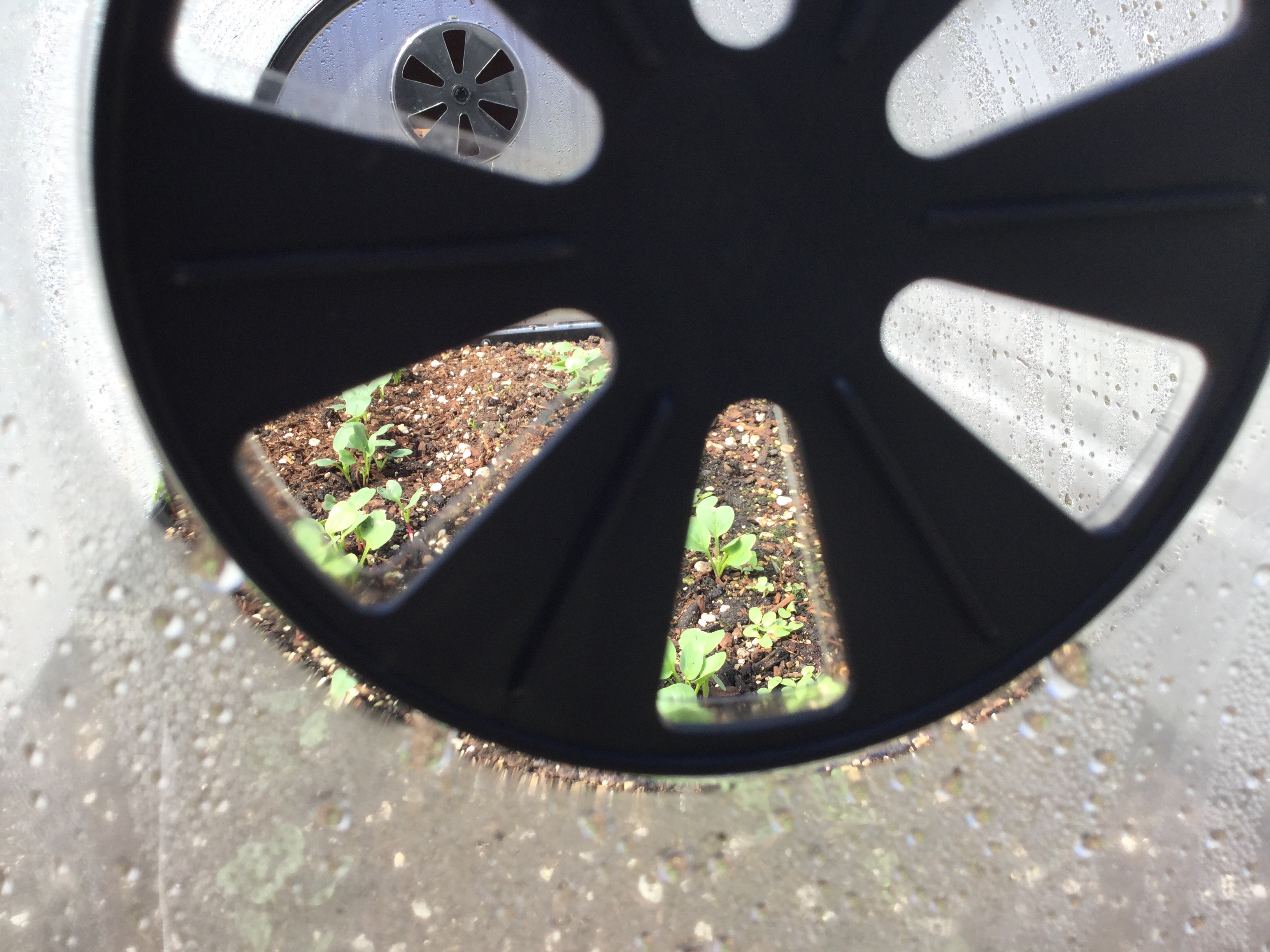
The photo below is peering in……the radish seeds sprouted after 4 days, the lettuce after 6!! Probably due to the cloches, keeping the cold rain out.

We bought two large plastic and metal cloches to extend the growing season and speed up some of the plants by providing warmth and protection from all the cold spring rain we’ve been getting and from sprout-eating vermin. Unfortunately, sprout eating vermin appears to likely involve deer now. We found deer prints in the soft ground in the back yard yesterday, and of course caught one red handed last fall, the first sighting of a deer in the twenty two years we’ve lived here. I didn’t want to bother with the fabric type cloches, those would blow away with our first good wind!  Even these need little metal spikes to secure them. They cover most but not all of the space, but this works for an early planting.  I will probably remove these cloches and plant along the uncovered borders when it warms up. Also got a square metal trellis that attaches onto one side of the planters for the bean and cucumber vines. Soil is potting soil in the back one from last year, and some compost, soil and peat in the front one (dave filled that one). I mixed in some vermiculite and fish fertilizer in each, especially the non-composted one.

I planted the early spring garden: spring onions, carrots, butter lettuce, spinach and radishes inside, and nasturtiums on the corners outside. Except for the north side, with the bean & cucumber trellis. 

Next phase will be the later spring stuff, like pole beans and cucumbers, and finding tomato plant starts. I will be looking for tomato plants that advertise tolerance below 55 degrees…..we had too much ‘flower drop’ happening last year, losing many potential tomatoes to the inevitable temperature dips. So far no tomato starts to buy, must be too early.

Summer sowing is broccoli, and maybe brusssel sprouts ( only got broccoli seeds so far). Also endive is supposed to be good to plant then, for fall. Lettuce is supposed to be cold loving, and if they are protected with cloches, supposedly I can get lettuce nearly all year. But Lettuce doesn’t like the heat. Bulb onions, garlic and leeks are the other fall plantings. Carrots are supposed to be sensitive to the waning light and warmth, so they stop growing in the fall. I actually had tried a container of carrot seedlings from late last summer and they germinated fine but basically stopped growing, though they did withstand all the below freezing temps and snow we had. They are tiny white things that aren’t worth eating, so I turned over the soil in the container.

Recommendations are to take cloves from storebought garlic heads and plant them pointy tip up about two inches apart, in October. This is faster, easier and cheaper than seeds, since we always have some cloves in the house.